

A Travelling Fellowship provides insights into adipogenesis
8 March 2023
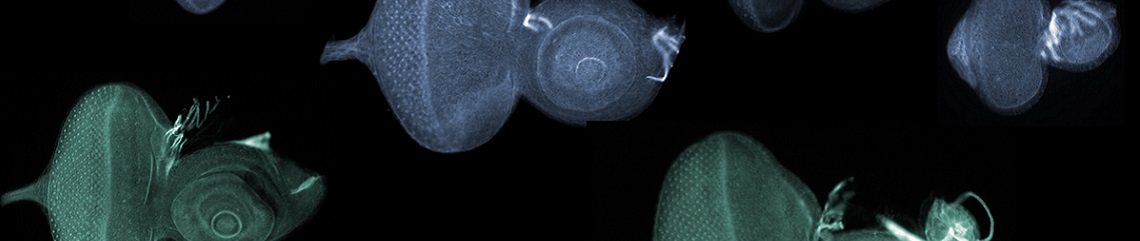
The 14-3-3 protein family comprises a group of scaffold proteins implicated in metabolic processes. Using a Travelling Fellowship from Journal of Cell Science, Samanta Del Veliz visited Gareth Lim’s lab to investigate the role of these proteins in mesenchymal stem cell differentiation.
Attending an EMBO practical course with a DMM Conference Travel Grant
1 February 2023
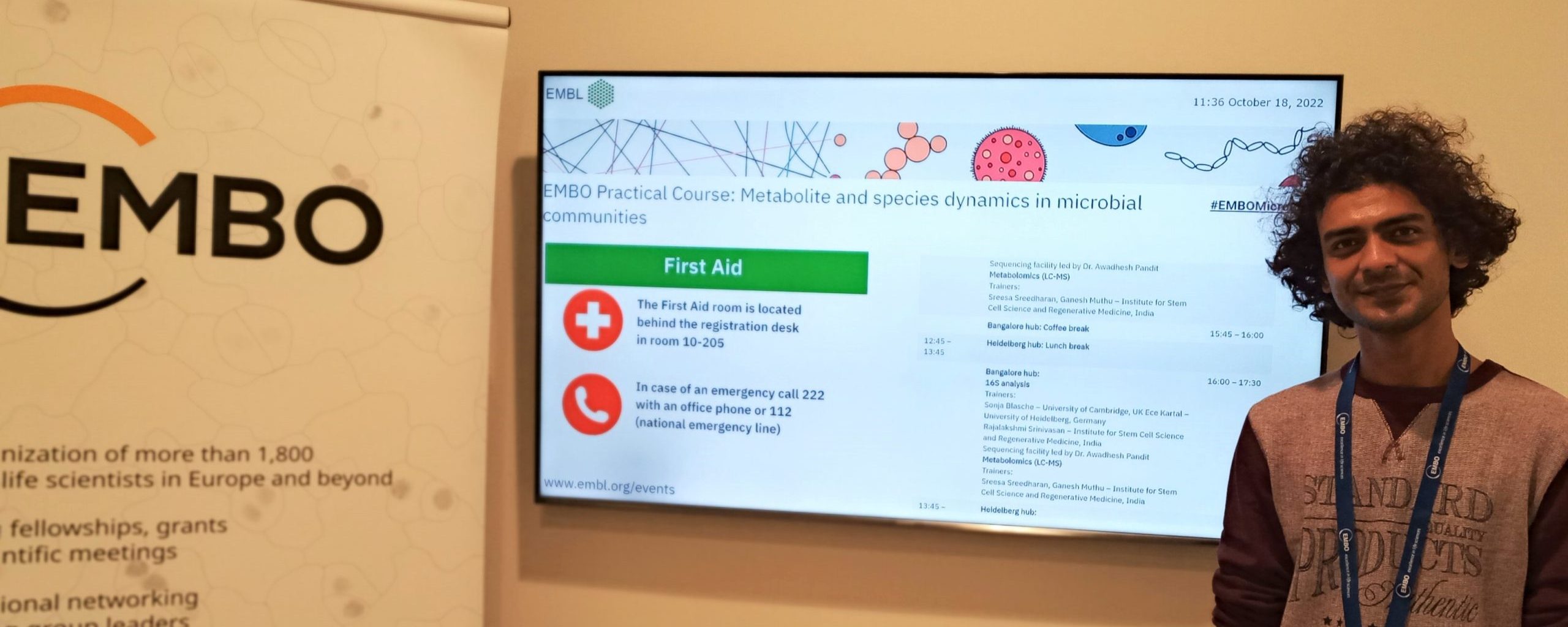
With the help of a DMM Conference Travel Grant, Jazib Shafiq was recently able to travel from Pakistan to attend the EMBO practical course on metabolite and species dynamics in microbial communities.
Rethinking sustainability at the Cambridge Neuroscience Seminar
6 December 2022
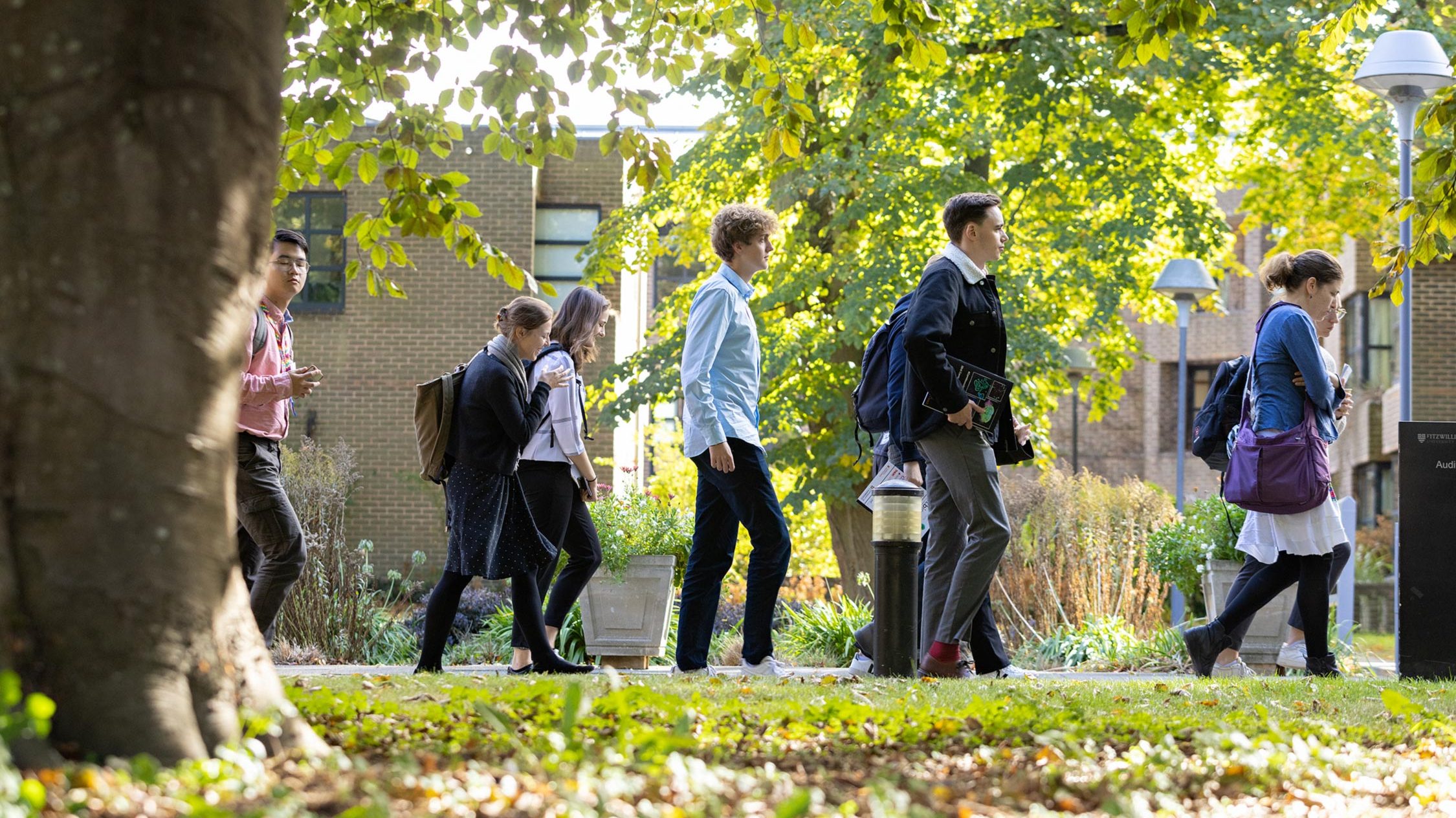 The 32nd Cambridge Neuroscience Seminar (CNS2022) was held on 29 September 2022 at Fitzwilliam College, University of Cambridge. This annual meeting brings together neuroscientists from across the University’s Departments to promote collaboration and strengthen the community. A Sustainable Conferencing Grant from The Company of Biologists helped the organisers to reduce the environmental impact of this year’s meeting.
How BraYn 2022 used their Sustainable Conferencing Grant
7 November 2022
The fifth Brainstorming Research Assembly for Young Neuroscientists (BraYn) took place in Rome from 28-30 September 2022. The conference aims to bring together early-career neuroscientists for the purposes of networking, sharing expertise and promoting collaborations.
The Transylvanian Experimental Neuroscience Summer School celebrates its tenth year
26 September 2022
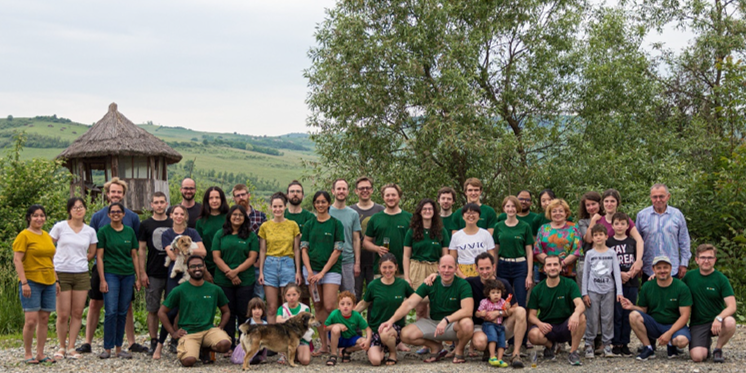
Romania’s Pike Lake is an important refuge for the wide variety of migratory birds that pass through it each year. This summer, it also played host to a community of neuroscientists who had gathered for the tenth edition of the Transylvanian Experimental Neuroscience Summer School (TENSS). Running from 1-21 June 2022, the course was partly funded by one of our Scientific Meeting Grants.
Funding sustainable travel to the British Neuroscience Association meeting
27 February 2023
The British Neuroscience Association (BNA) held their festive symposium, ‘Have your mental health a merry little Christmas’, in Edinburgh on 12 December 2022.
Getting to grips with microphysiological systems at the India-EMBO Lecture Course
16 January 2023
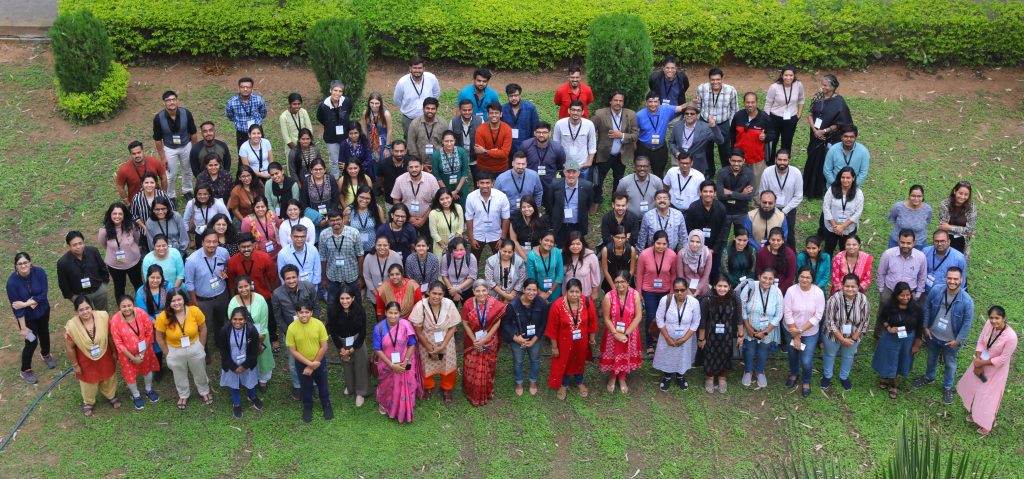
Microphysiological systems (MPS), including organoids and organs-on-a-chip, have received growing attention in recent years. The first meeting in India to focus on this topic was held from 31 October – 4 November 2022, and was part of the India-EMBO Lecture Course series. The Company of Biologists was delighted to help support the meeting with funding that contributed to student accommodation waivers. The meeting brought together students and experts from across India and around the world, and included hands-on sessions to help participants really get to grips with MPS research.
The first Student Conference of Plant Biology organised “by students for students” and respecting the environment
30 November 2022
Written by Mohammadjavad Haghighatnia
 The first Student Conference of Plant Biology (SCPB) took place in Prague from 20-22 September 2022 with the motto “by students for students” and “sustainable conference”.
A Travelling Fellowship to probe placental cell crosstalk
28 September 2022
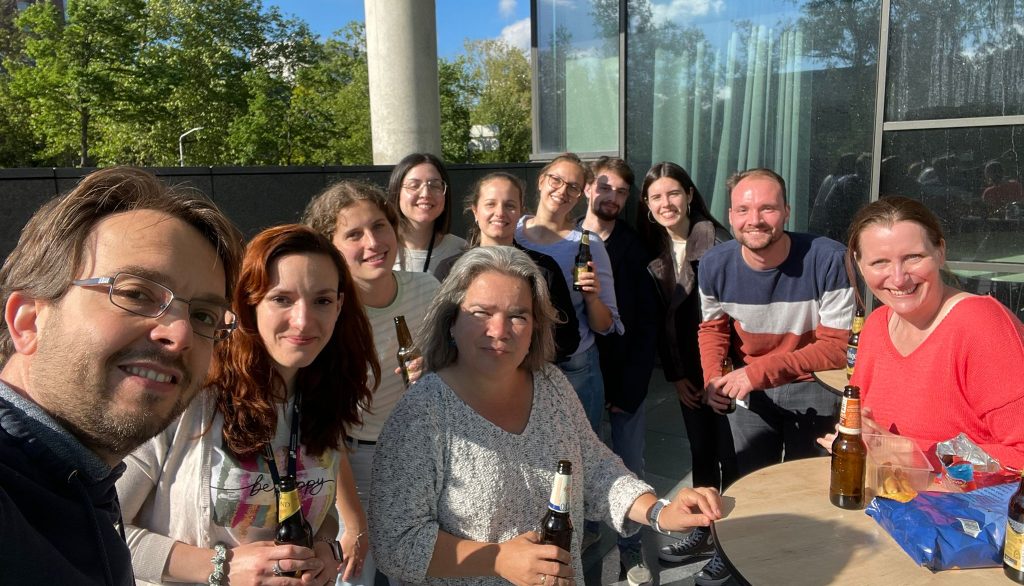
The placenta plays a crucial role in human development by supplying the foetus with oxygen and glucose whilst removing waste products. However, when signalling from the placenta goes awry, mothers are at risk of developing an inflammatory condition called preeclampsia. Monika Horvat Merčnik, a student on the international PhD programme ‘Inflammatory disorders in pregnancy’ (DP-iDP), used a Travelling Fellowship from Journal of Cell Science to explore the interactions between placental endothelial cells and resident macrophages in this condition.
A Travelling Fellowship unlocks a new technique
19 August 2022
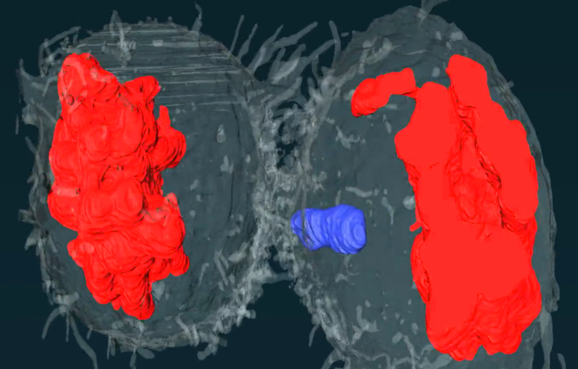
The risk of developing a subtype of leukaemia known as iAMP21-ALL is amplified in individuals that carry the translocated chromosome rob(15;21)c. Connor Gilkes-Imeson used a Travelling Fellowship from Journal of Cell Science to learn 3D correlative light electron microscopy (3D-CLEM), a technique that he plans to apply in his studies of the kinetochore attachments that form at this mutated chromosome.
You must be logged in to post a comment.