30 September 2022
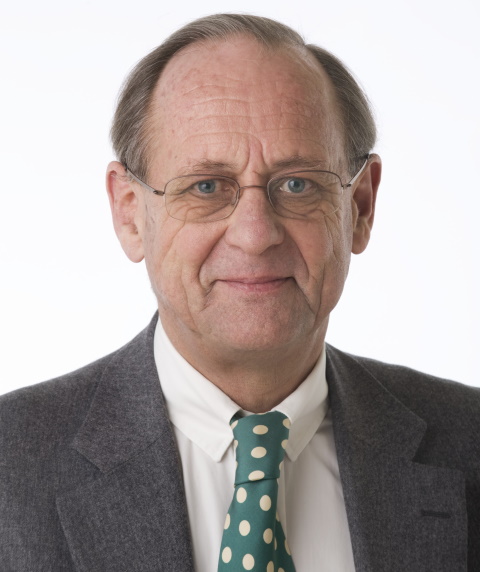
Peter Rigby is Professor Emeritus of Developmental Biology at the Institute of Cancer Research (ICR), London, an organisation that he led from 1999 to 2011. Peter began his career as a biochemist, and completed his PhD with Brian Hartley in Cambridge, where he studied enzyme evolution. He then moved to Stanford to work with Paul Berg, focusing his postdoctoral research on SV40, a virus that can transform its host into a tumour cell. “It was clear to myself and my peers that it was time to stop working on E. coli and to start working on eukaryotic cells,” Peter said, “and the only way to get inside the workings of a eukaryotic cell was by using viruses.”
26 September 2022
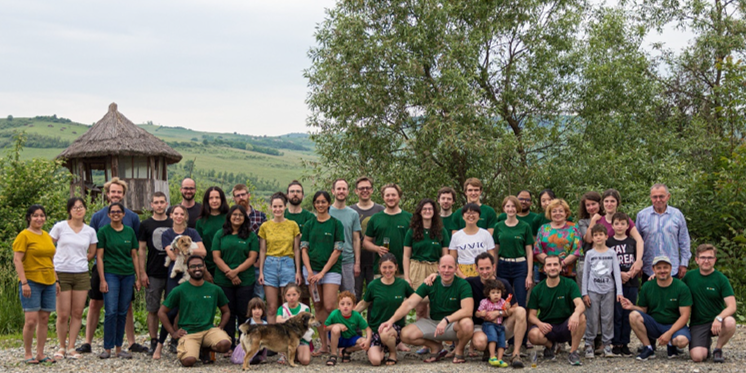
Romania’s Pike Lake is an important refuge for the wide variety of migratory birds that pass through it each year. This summer, it also played host to a community of neuroscientists who had gathered for the tenth edition of the Transylvanian Experimental Neuroscience Summer School (TENSS). Running from 1-21 June 2022, the course was partly funded by one of our Scientific Meeting Grants.
19 August 2022
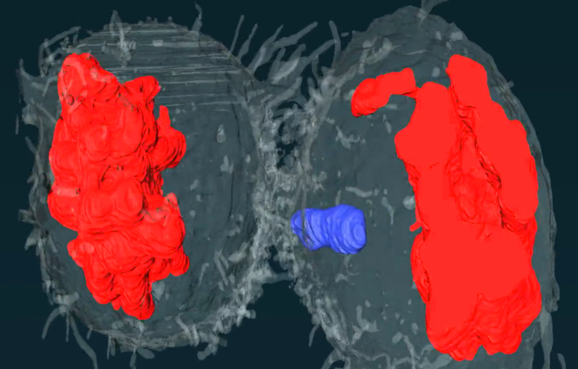
The risk of developing a subtype of leukaemia known as iAMP21-ALL is amplified in individuals that carry the translocated chromosome rob(15;21)c. Connor Gilkes-Imeson used a Travelling Fellowship from Journal of Cell Science to learn 3D correlative light electron microscopy (3D-CLEM), a technique that he plans to apply in his studies of the kinetochore attachments that form at this mutated chromosome.
10 August 2022
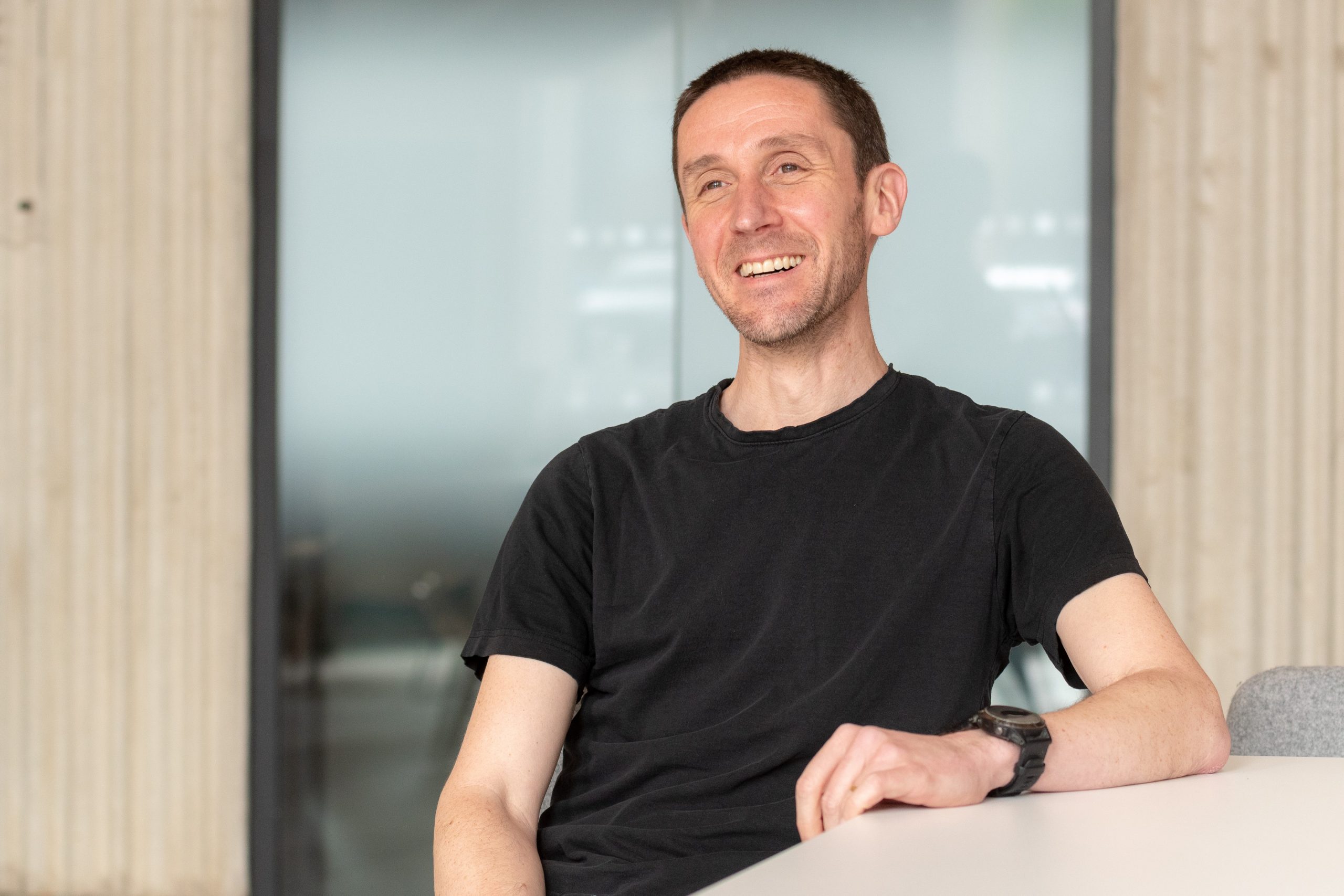
Steve Royle is based at the Centre for Mechanochemical Cell Biology, Warwick Medical School, where his team is investigating the molecular mechanisms that underpin two important cellular processes: membrane trafficking and mitosis. “We’re interested in the nuts and bolts of how these key processes work,” Steve explained.
2 August 2022
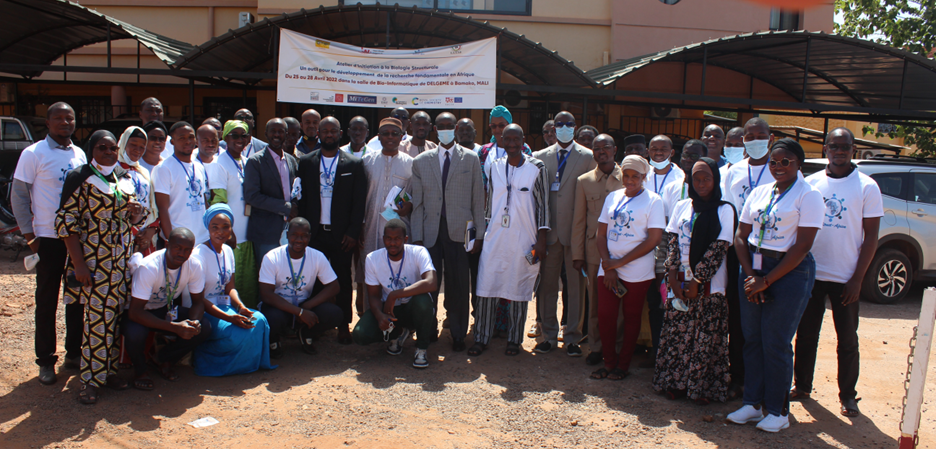
Understanding the structural biology underpinning disease can be crucial for informing drug or vaccine design. For example, structural biology can help researchers understand the mechanism that allows a viral spike protein to bind receptors in our cells. However, structural biology research in Africa is suffering from a lack of resources and, consequently, from the loss of skilled researchers who are moving to pursue a career in this field overseas. To address this, BioStruct-Africa ran a workshop that brought the African structural biology community together by providing training and networking opportunities. BioStruct-Africa was awarded one of our Scientific Meeting Grants to support the event.



You must be logged in to post a comment.