29 July 2022
Holly Shiels is based at the University of Manchester, UK, where her lab investigates the interplay between environment and cardiac physiology. They are currently working on the tolerance of fishes to hypoxia and to changes in temperature, as well as the effects of microplastics and crude oil on cardiac health. This latter research area also relates to broader concerns about air pollution, since crude oil contains polyaromatic hydrocarbons, which are the same molecules that form a ‘corona’ around particulate matter in the air we breathe.
21 June 2022
2021 Materials, Mimics and Microfluidics: Engineering Tools in Mechanobiology
Assistant Professor Andrew Holle submitted the first Sustainable Conferencing Grant application for 2021. The 3M2021 was a satellite-based hybrid meeting targeted towards Asian-Pacific researchers.
24 May 2022
Improving the sustainability of research labs and scientific conferences is crucial given the threat of climate change, and the recent advent of remote meetings has helped bring this issue to the forefront. In response to this, we launched our Sustainable Conferencing Initiative in October 2020 to offer guidance and support on the sustainability of events. Viktoria Lamprinaki, our Sustainability Officer, recently attended two meetings to discuss this initiative and to meet with others working in the field of sustainability.
5 May 2022
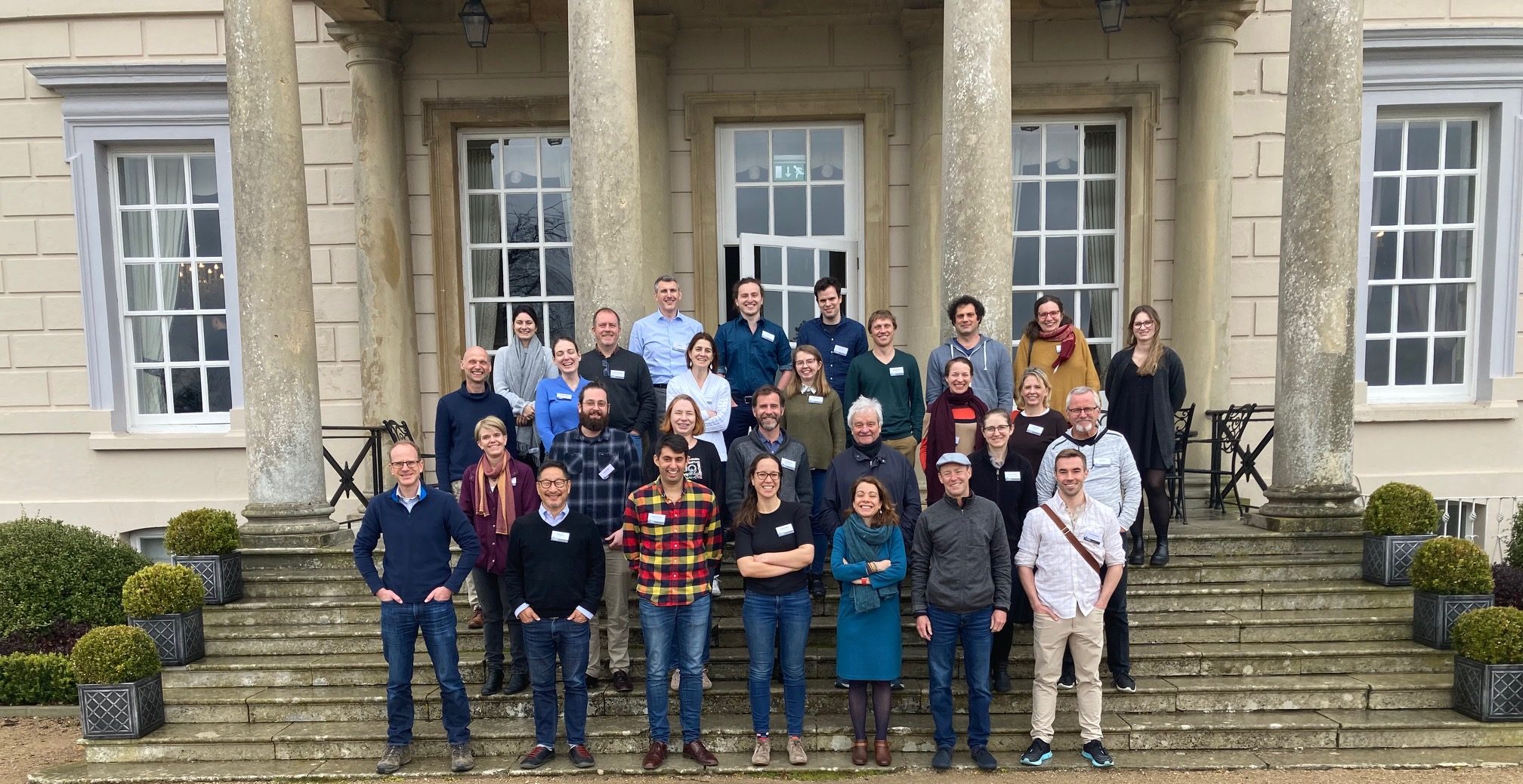
After two years of no in-person events we had our first Workshop. Between 3 and 6 April the ‘Cell Size and Growth, From Single Cells to the Tree of Life’ Workshop took place in East Sussex, UK. Interesting presentations, in-depth discussions, tasty desserts, and fun conversations in the orangery, the Workshop had it all. You can read more about it in our recent story.
22 April 2022
The first of our 2022 Workshops took place in April, with a focus on cell size and growth. Organised by postdoctoral researchers Clotilde Cadart and Matthew Swaffer, this Workshop brought together researchers working with a broad range of systems, including yeast, tadpoles and even fossilised plants.




You must be logged in to post a comment.