

Reunited: the lung research community’s return to in-person conferences
27 January 2022
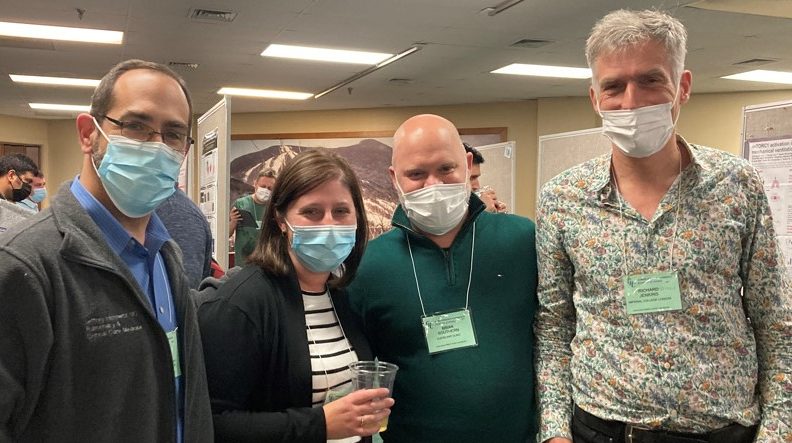
For Dr Anne-Karina Perl, an associate professor at Cincinnati Children’s Hospital, November 2021 was truly uplifting. Almost two years into the coronavirus pandemic, she was finally heading to an in-person meeting in the form of the Gordon Research Conference (GRC) on Lung Development, Injury and Repair. Even more significantly, this was a conference that she herself had coordinated, steering the meeting through the uncertainties of the pandemic with the help of Dr Daniel Tschumperlin, Dr Rory Morty, and Dr Xin Sun.
Pre-pandemic meetings: The 32nd Head Group Meeting
Successful applicants for one of our Meeting Grants are asked to submit a short report about the event after it has taken place. We always enjoy reading the reports as we can find out about all the incredible science taking place thanks to our financial support.
Life after a Travelling Fellowship
6 April 2021
With much of the world still ground to a halt, we’ve missed sharing stories from our Travelling Fellowship recipients. These grants provide early-career researchers with the means to visit international labs and while travel remains restricted, we decided to use this time to catch up with some of our previous recipients.
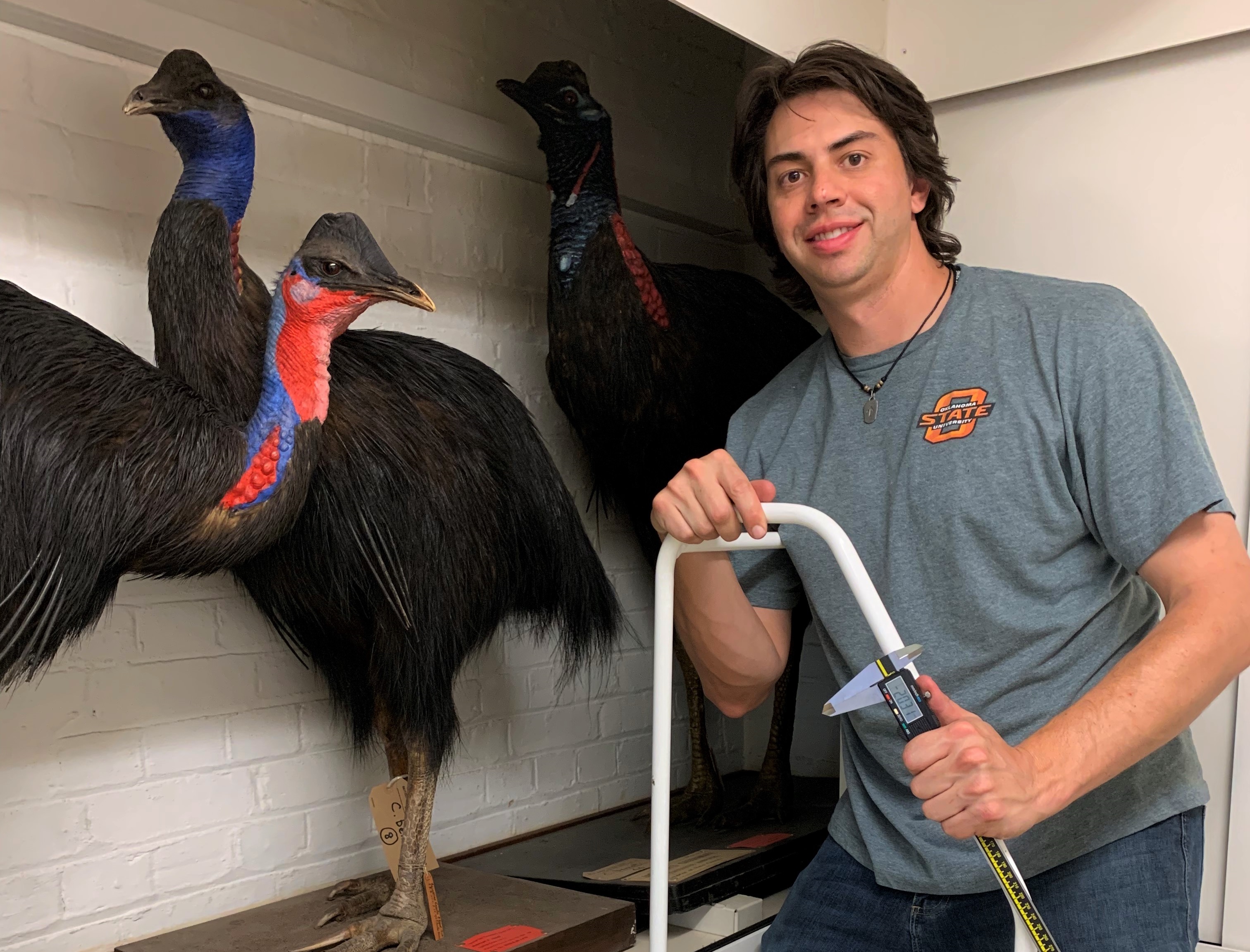
The mysterious case of the cassowary casque
15 October 2020
For biologists around the world, the UK’s Natural History Museum is one of the most significant icons in the field. Housing 80 million items spanning 4.5 billion years, the Museum first opened its doors in 1881 and is known as the leading centre of natural history and research in the world.
Anti-ageing in the Greenland Shark
12 November 2019
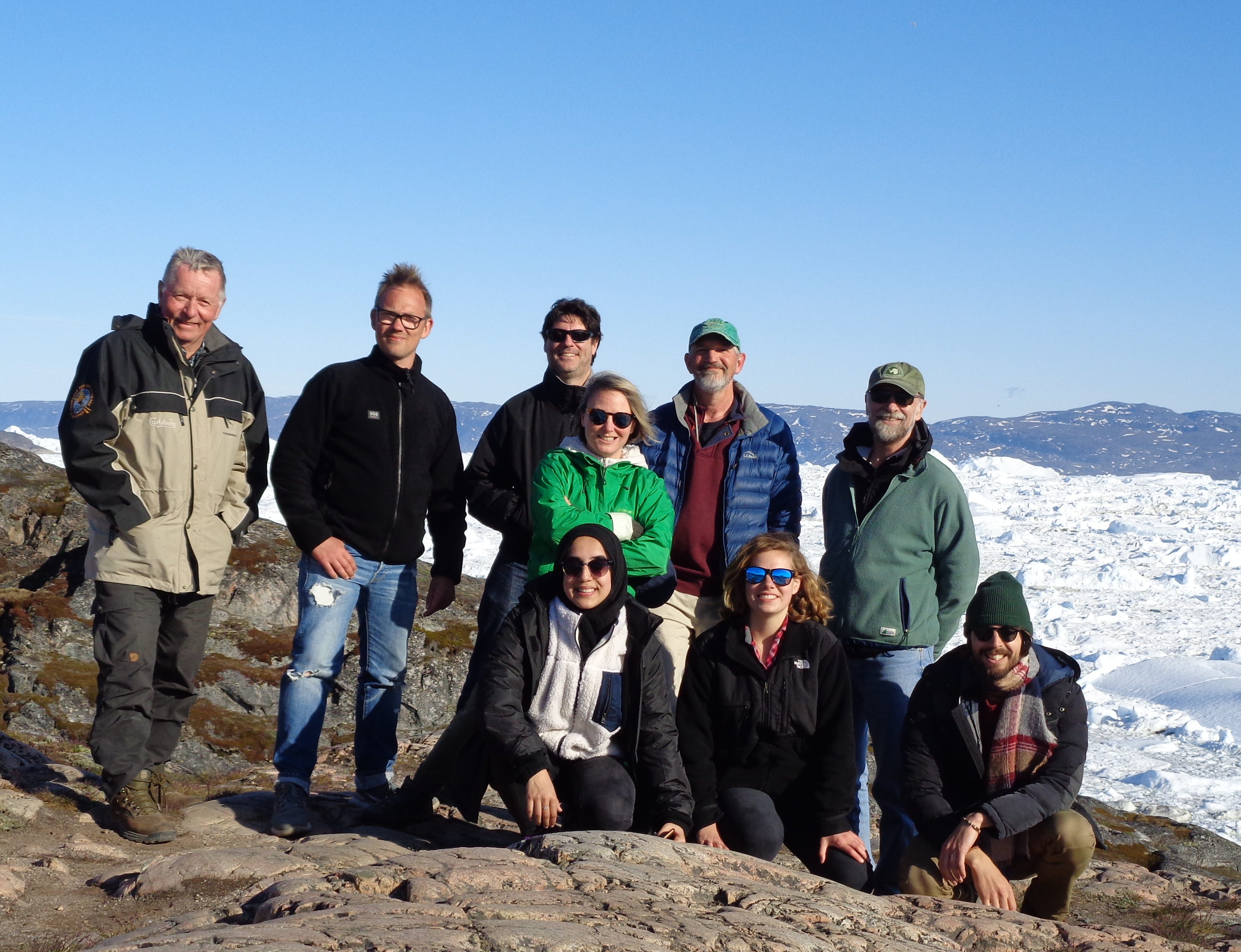
The Greenland Shark, Somniosus microcephalus, has remarkable longevity and is the longest-living vertebrate known to science. The decline of shorter-lived species involves the loss of DNA integrity via the loss of DNA repair mechanisms. The longevity of the Greenland Shark suggests resilience to this age-related functional decline.
Two Travelling Fellowships to study ageing in a long-lived shark
22 November 2021
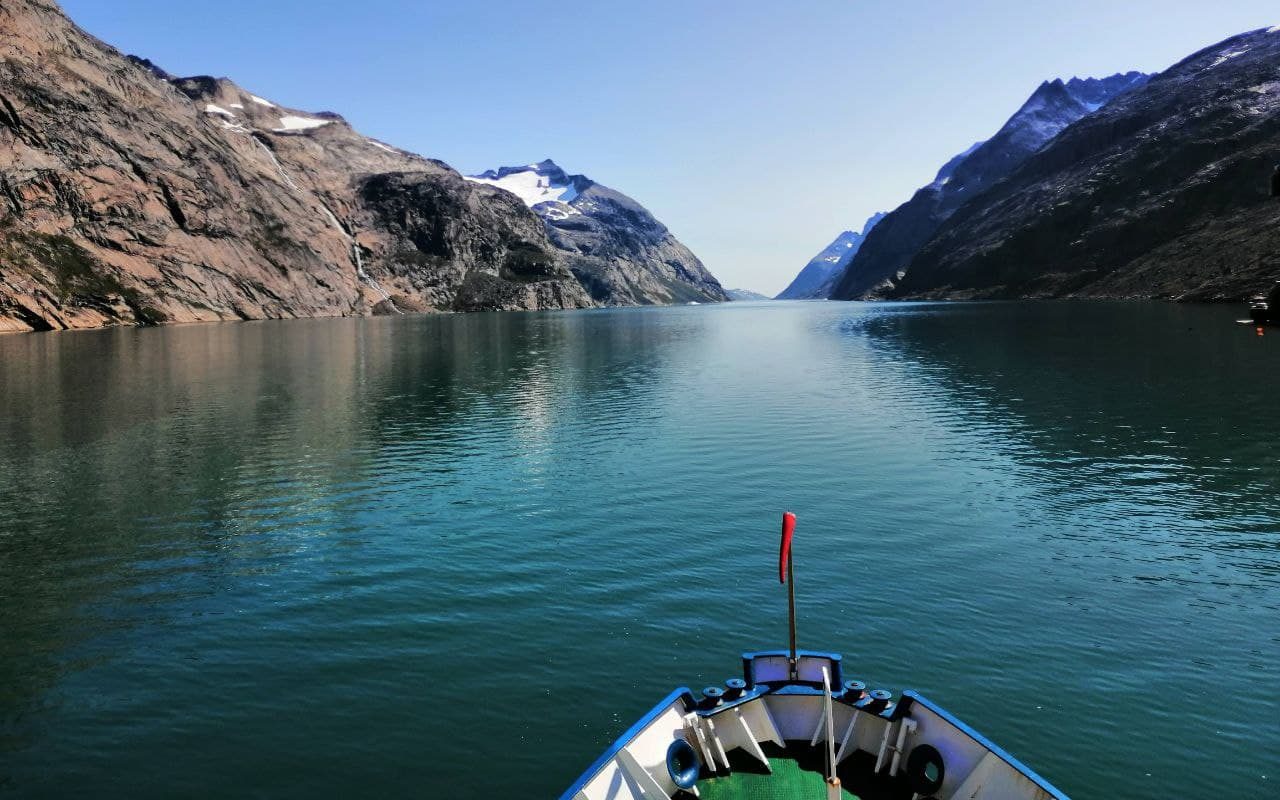
The Greenland shark (Somniosus microcephalus) is a vast creature, reaching up to five metres long. The shark grows very slowly but can reach this impressive size because it is also incredibly long-lived, with reports of some sharks living for up to 400 years.
Did you know Scientific Meeting Grants can be used for virtual events?
26 May 2021
Lab closures, project delays, funding concerns and restricted travel – 2020 as a scientist was a tough one. Thankfully, labs are back open and delayed projects are picking up once again. Travel restrictions are still in place however, meaning that in-person events are still a way off.
A Travelling Fellowship unravels 3D chromatin structure
16 October 2020
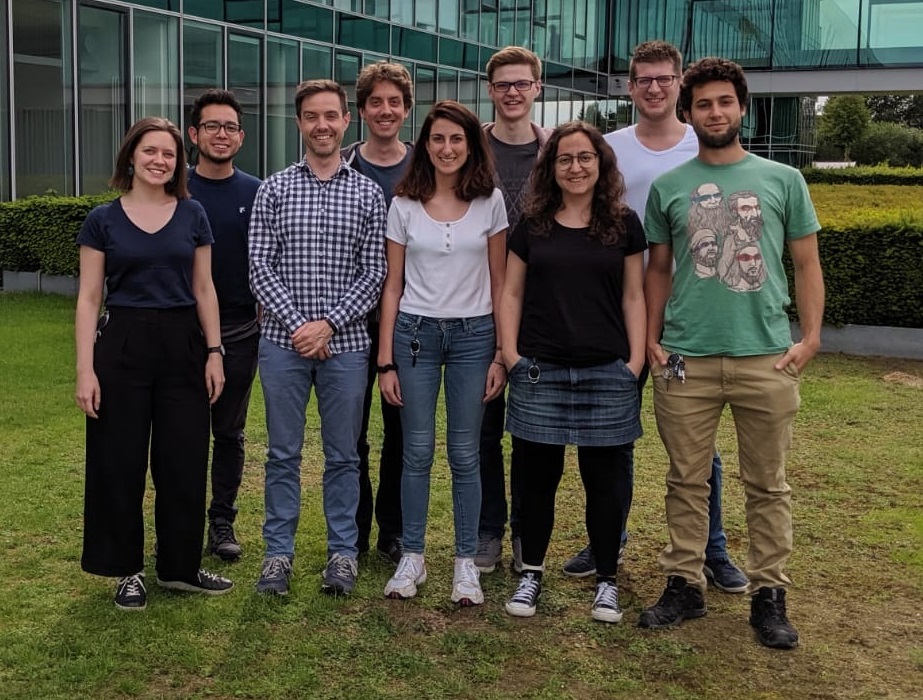
Three-dimensional chromatin architecture is vital for cell functionality. In recent years, there’s been a marked increase in the effort to bridge the gap between transcription activity and 3D chromatin structure.
A successful back-up plan leads to publication
12 February 2020
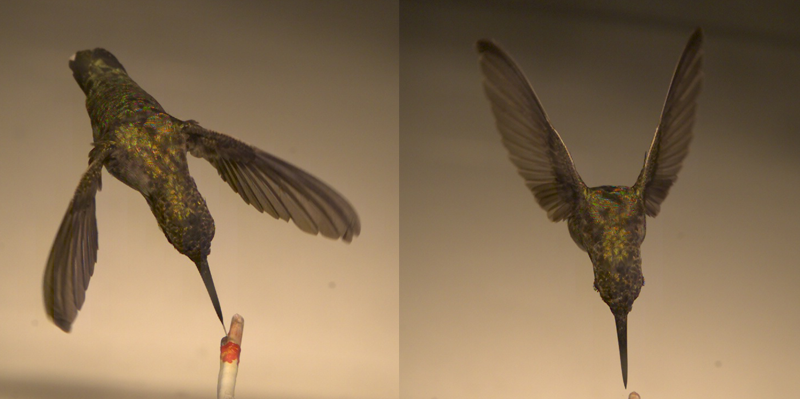
In 2014, Dr Sridhar Ravi, University of New South Wales, received a Travelling Fellowship from Journal of Experimental Biology. Using the grant, he visited labs run by Professor Andrew Biewener and Professor Stacey Combes in the Department of Organismic and Evolutionary Biology at Harvard University.
New imaging approach unveils a bigger picture
30 September 2019
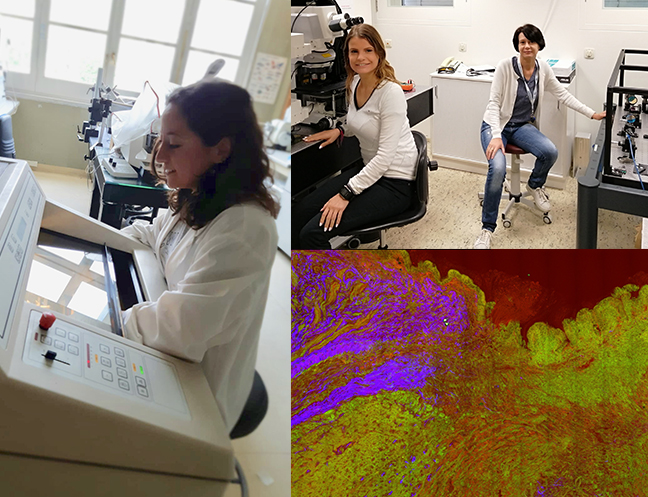
As intelligent problem-solvers and devious escape artists with the ability to change colour, skin texture and shape, octopuses have captured the minds of researchers for good reason. Hydrostats make up the octopus’ most well-known feature, its eight arms.
You must be logged in to post a comment.