Workshop – Thinking Beyond the Dish
1 May 2018
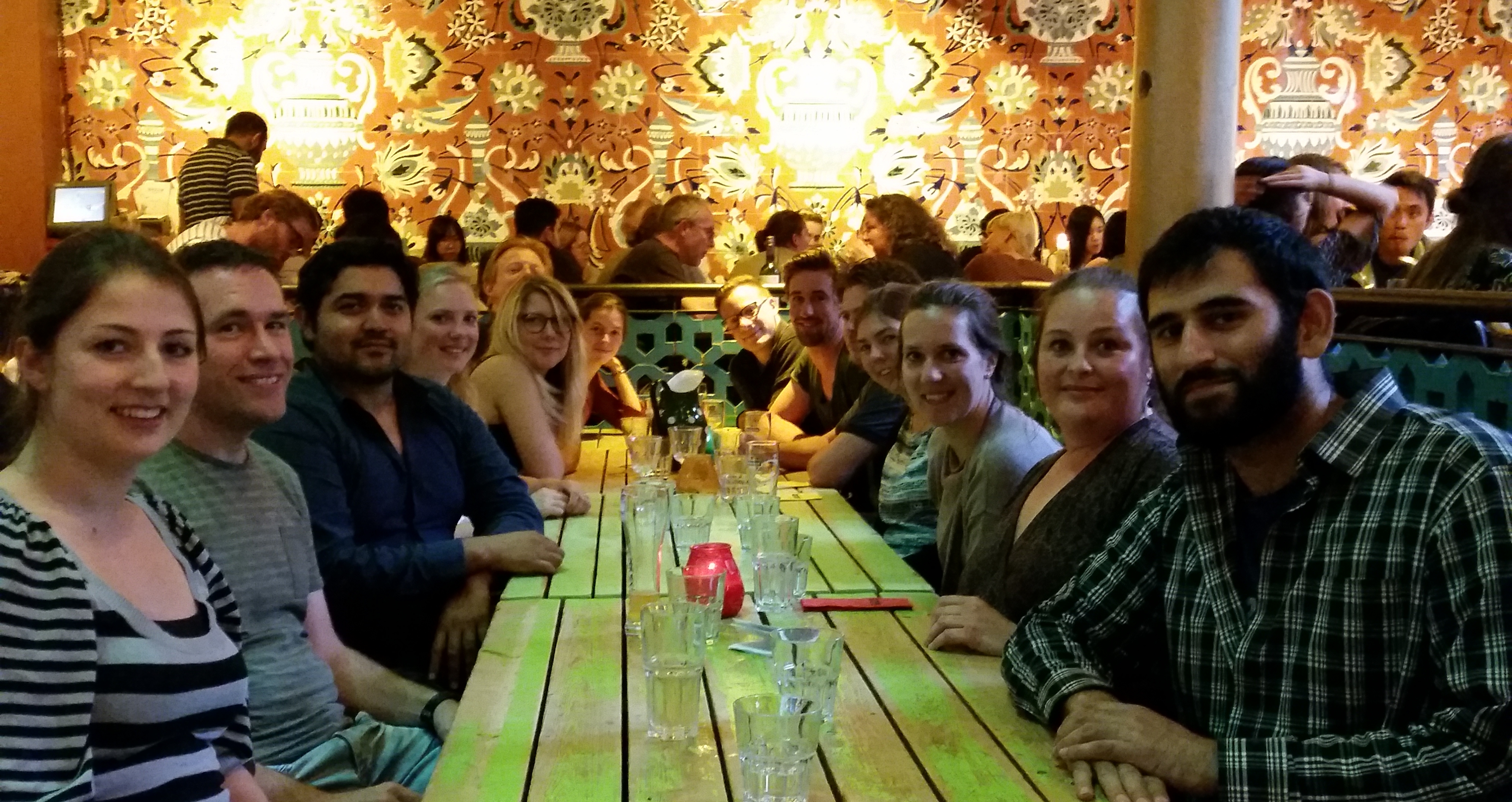
The Company of Biologists Workshop ‘Thinking Beyond the Dish: Taking In Vitro Neural Differentiation to the Next Level’ took place at Wiston House, West Sussex, UK, from 4 to 7 February 2018.


1 May 2018
The Company of Biologists Workshop ‘Thinking Beyond the Dish: Taking In Vitro Neural Differentiation to the Next Level’ took place at Wiston House, West Sussex, UK, from 4 to 7 February 2018.
12 April 2018
At The Company of Biologists we take the security of your personal data very seriously. In this video we explain our views on the new General Data Protection Regulation (GDPR) and our data protection promise to you.
20 February 2018
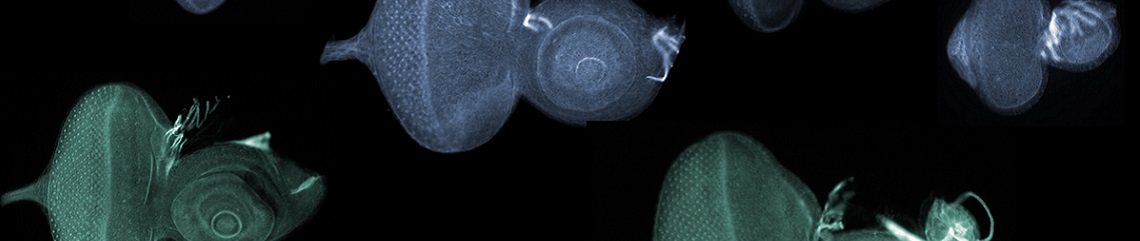
The research project of PhD student Filomena Caccavale at the Stazione Zoologica Anton Dohrn in Naples, Italy, has focussed on the role of nitric oxide (NO) during embryonic and larval development of the cephalochordate Branchiostoma lanceolatum (amphioxus).
7 December 2017
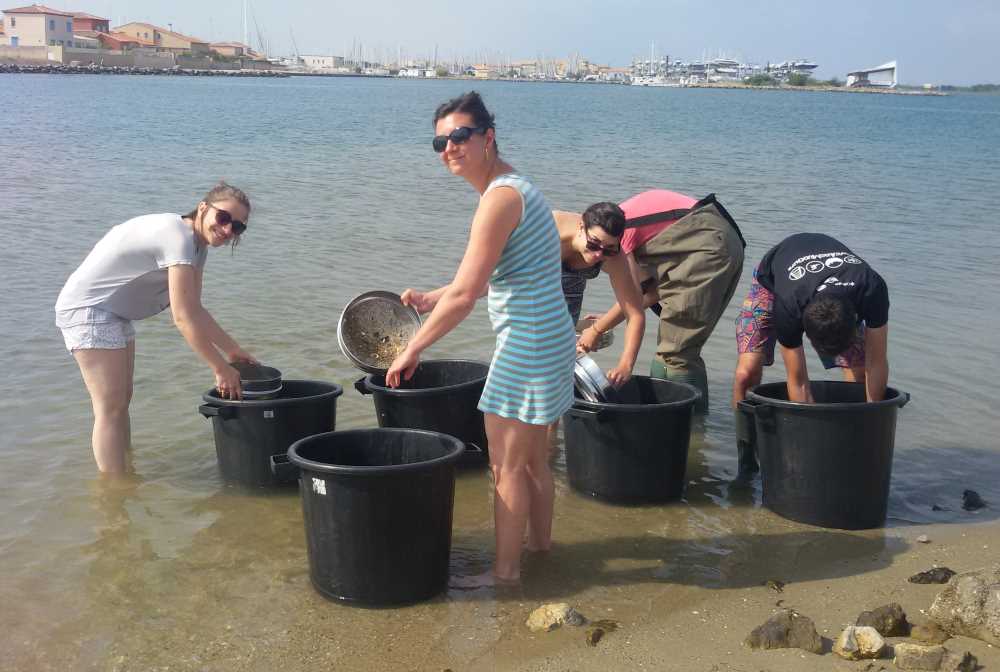
In the autumn of 2017 I undertook my PIPs internship at The Company of Biologists, the publisher behind five major journals including Development – the journal which hosts the community site the Node. I was keen to experience the publishing side of science, and see what a non-academic career in science could be like.
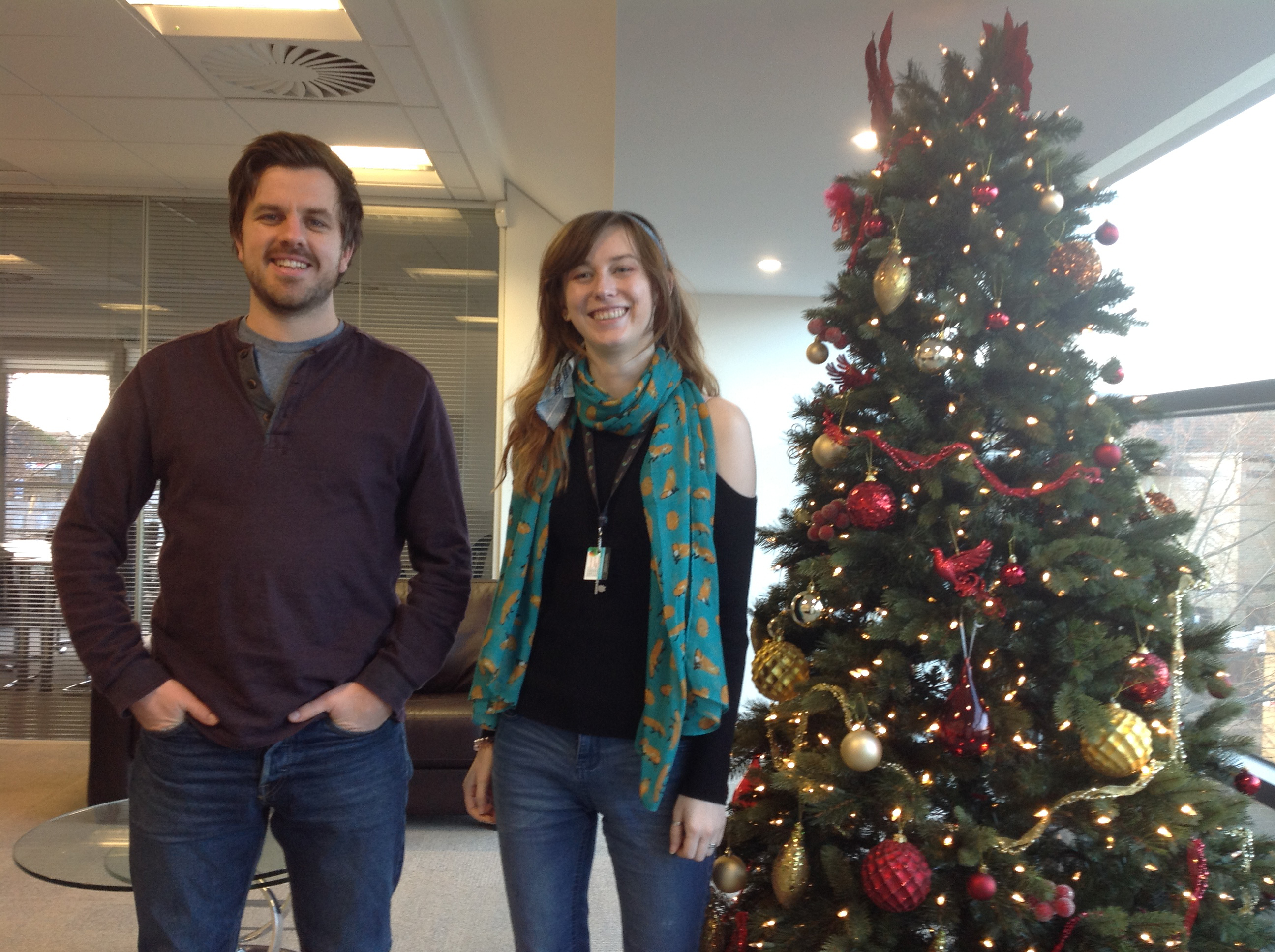
Aidan Maartens (the Node Community Manager) and Sarah Morson (intern).
24 August 2017
I carried out my PIPS placement at The Company of Biologists – a decision largely driven by my interest in gaining insight into the publishing process in preparation for submitting my own articles, and also to find out more about publishing as an alternative career path after my PhD.
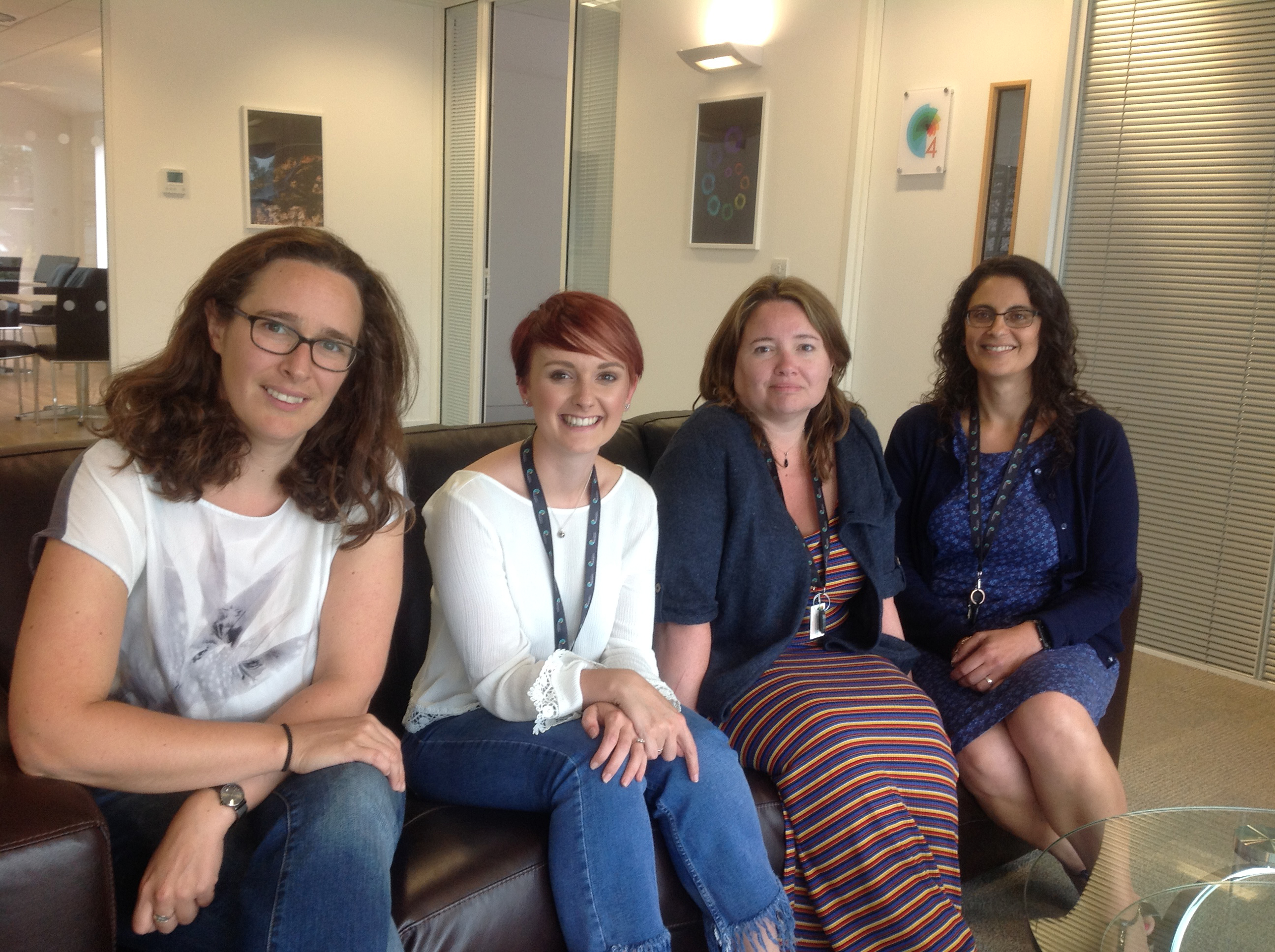
Katherine Brown (Development), Caitlin McQueen (intern), Rachel Hackett (Disease Models & Mechanisms and Biology Open) and Sharon Ahmad (Journal of Cell Science).
19 April 2018
Transplantation of hematopoietic stem cells (HSC – stem cells that produce new blood cells) is a common treatment for several leukaemias. Following transfusion, HSCs migrate from the circulatory system into bone marrow niches, where they begin a process of self-renewal and proliferation that supports lifelong normal blood cell production.
9 March 2018
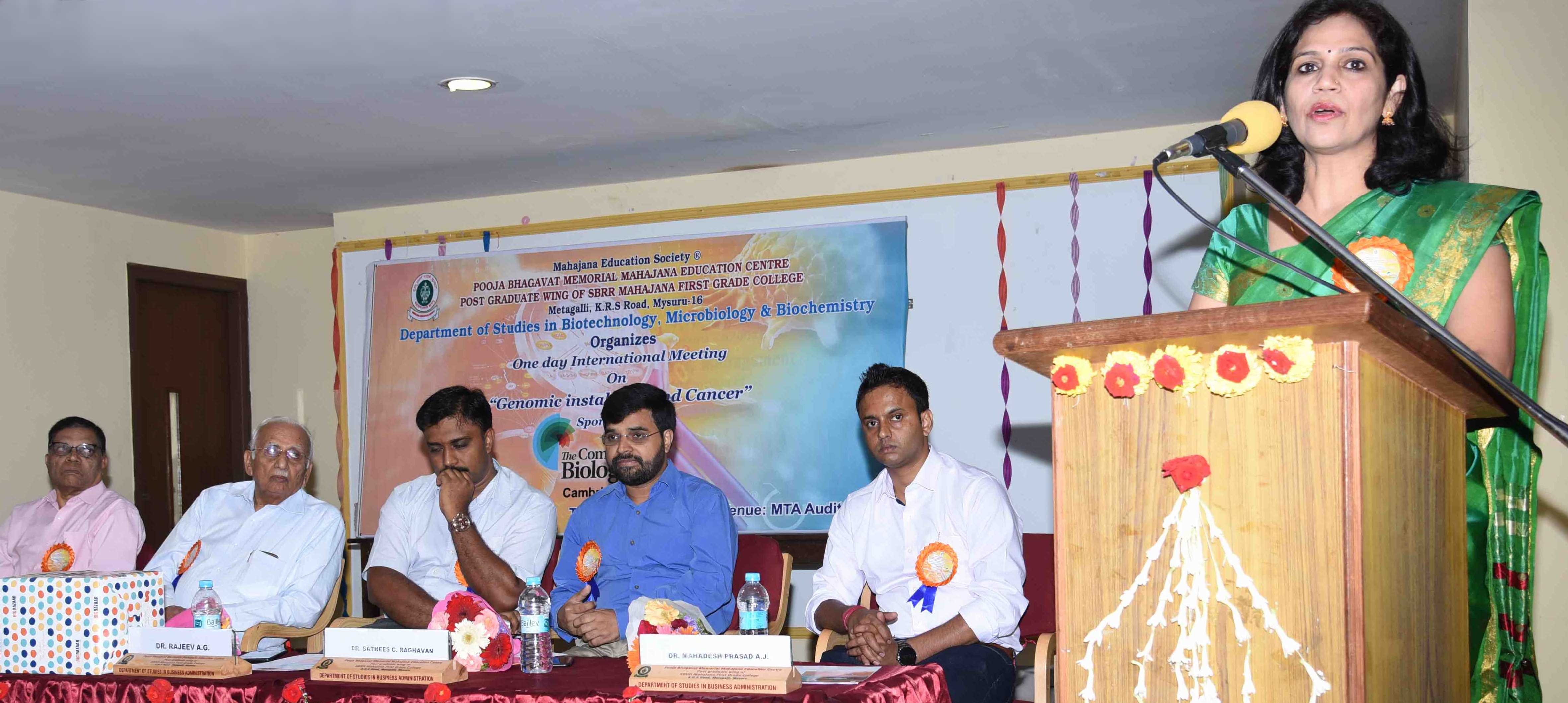
The DNA in our cells is subject to daily damage from metabolic agents and environmental factors, but most of this damage is successfully repaired by natural systems throughout the cell cycle. However, accumulation of DNA damage due to failures in these natural repair systems is an important risk factor in cancer development.
7 February 2018
Intranasal insulin has been shown to improve memory in both humans and mice. However, in most cases less than 0.05% of insulin delivered via the intranasal route actually reaches the brain. Buccal epithelium is routinely used as an in vitro model for investigating peptide uptake, but Elizabeth Rhea, a postdoctoral fellow in the Department of Medicine at the University of Washington, USA, wished to investigate its potential as a model for screening enhancers of intranasal insulin delivery.
2 November 2017
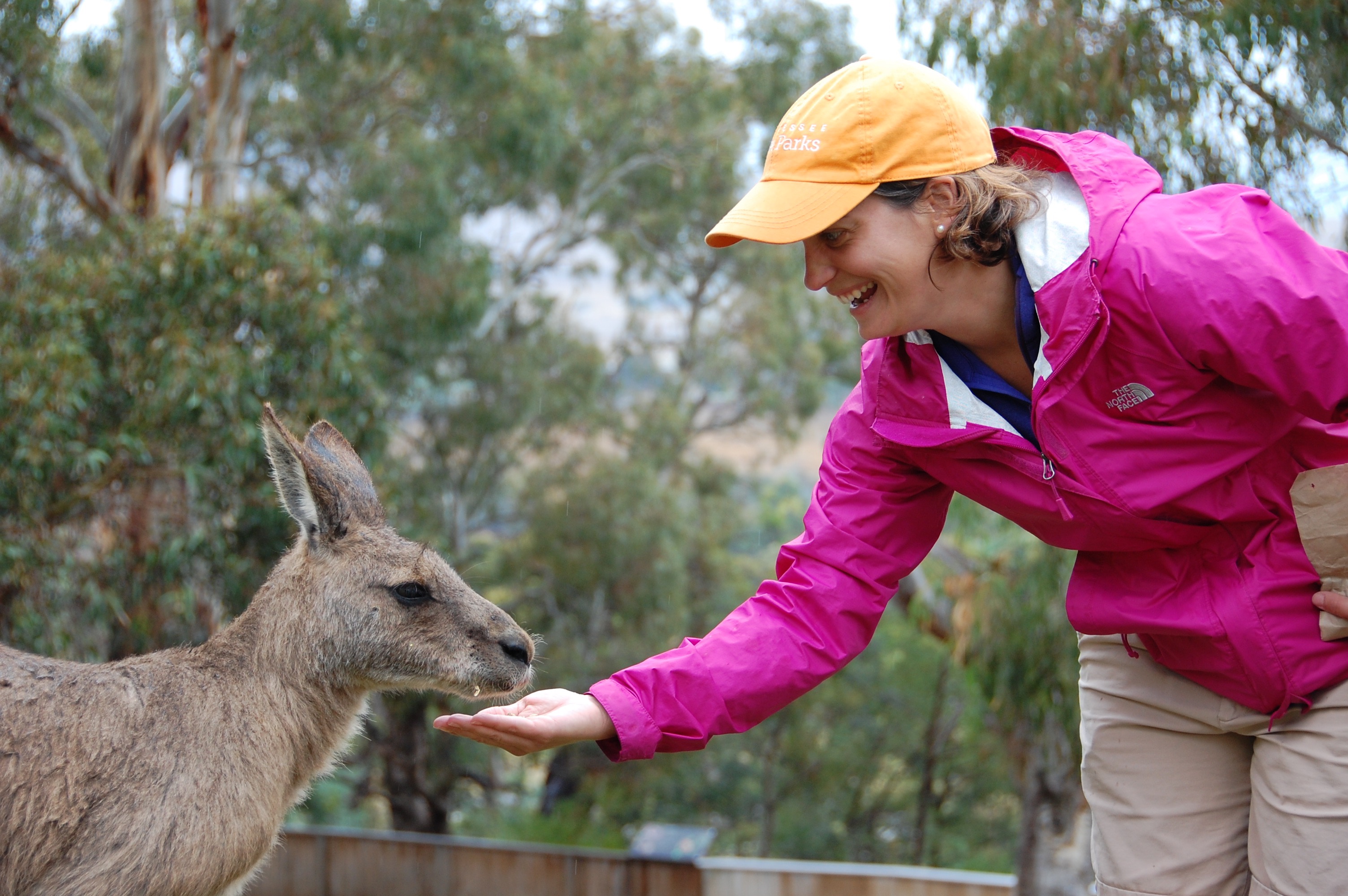
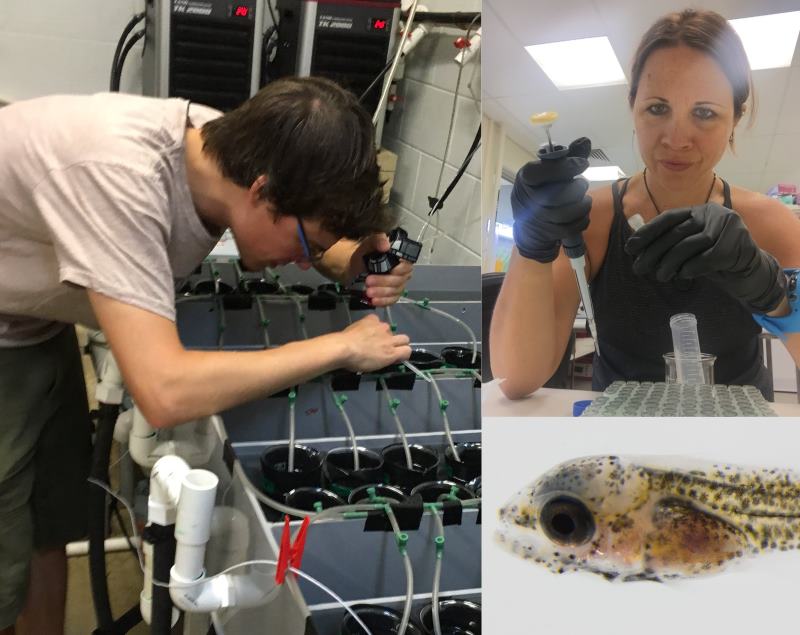
As a new assistant professor at James Cook University (JCU), marine conservation physiologist Jodie Rummer applied to the Journal of Experimental Biology for a Travelling Fellowship to perform fieldwork at Lizard Island Research Station in the Northern Great Barrier Reef of Australia.
9 May 2023
Getting involved as an organiser for one of our Workshops is easy. We focus on the logistics, so you can focus solely on the science. Are you thinking about proposing a topic for one of our Workshops? Watch this video to hear from some of our previous organisers.
You must be logged in to post a comment.