24 July 2017
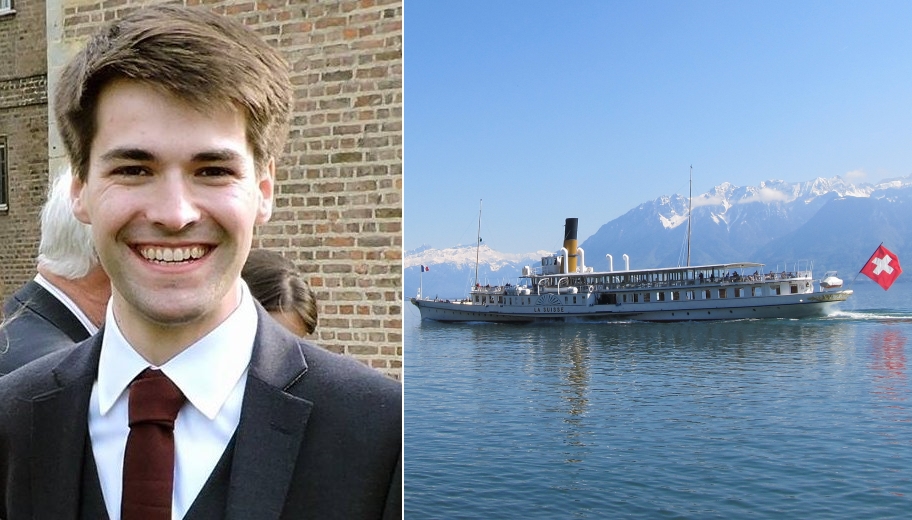
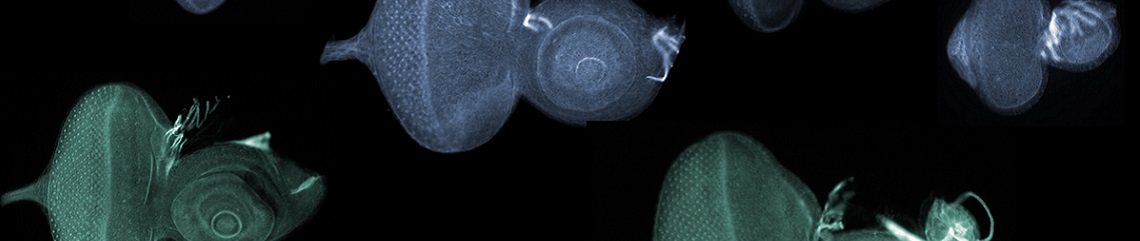
One of the research areas of the Martinez-Arias lab in the Department of Genetics at the University of Cambridge, UK, is the development of gastruloids – small, self-organising aggregates of mouse embryonic stem cells. PhD student Peter Baillie-Johnson was working on the generation of elongating gastruloids to mimic the first stages of axial elongation in the mouse embryo, but was limited by aggregates adhering to the surface of culture plates.
5 July 2017
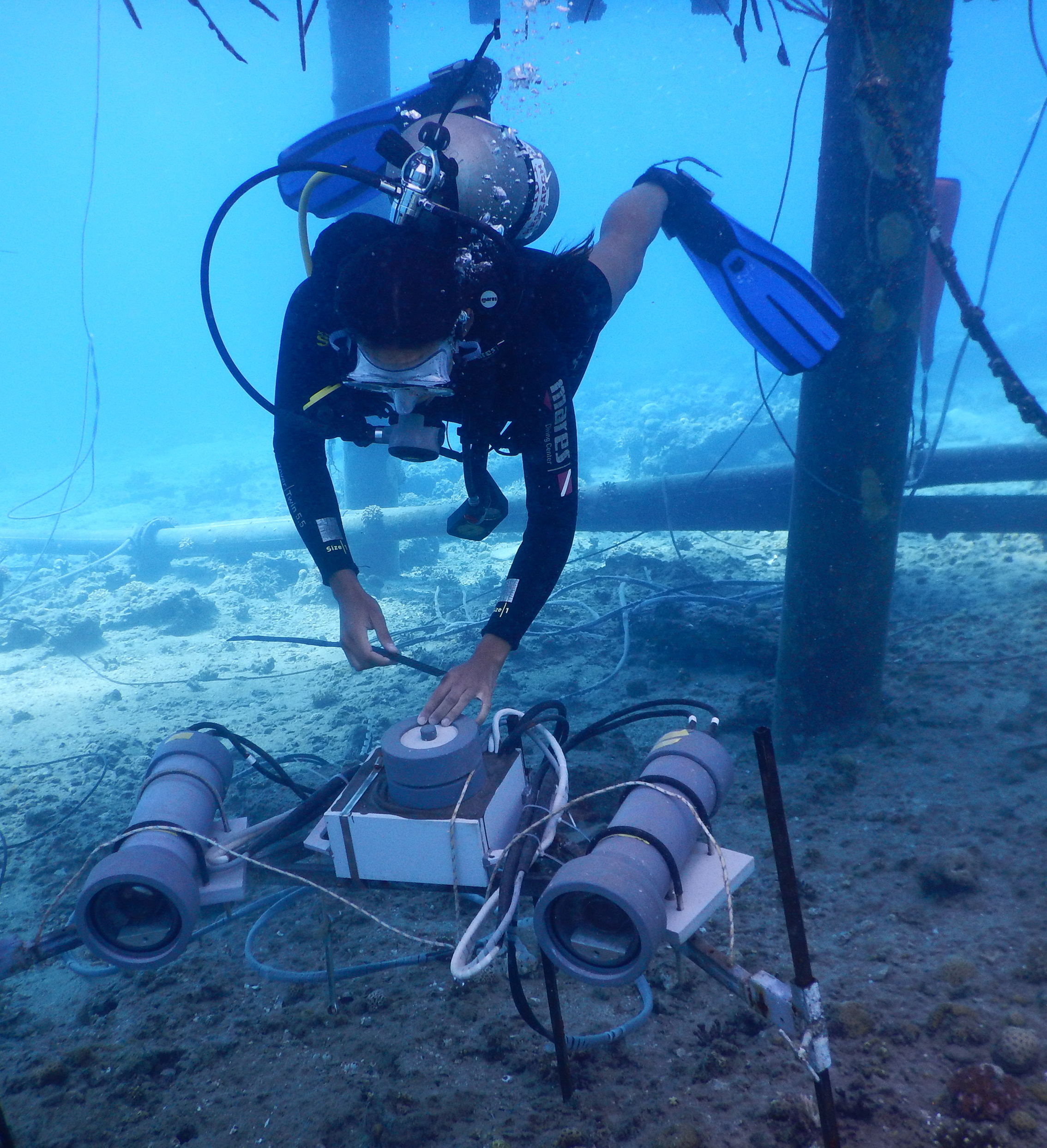
Combining biology and mathematics, Julia Samson, a PhD student at the University of North Carolina, Chapel Hill, focuses her research on the pulsing behaviour of soft corals (Xenia and Heteroxenia) and how this behaviour affects and is affected by local water flows. Her project includes computational fluid dynamics simulations and flow visualisation experiments in the lab, with field data essential to test and validate these fluid–structure interaction models.
5 July 2017
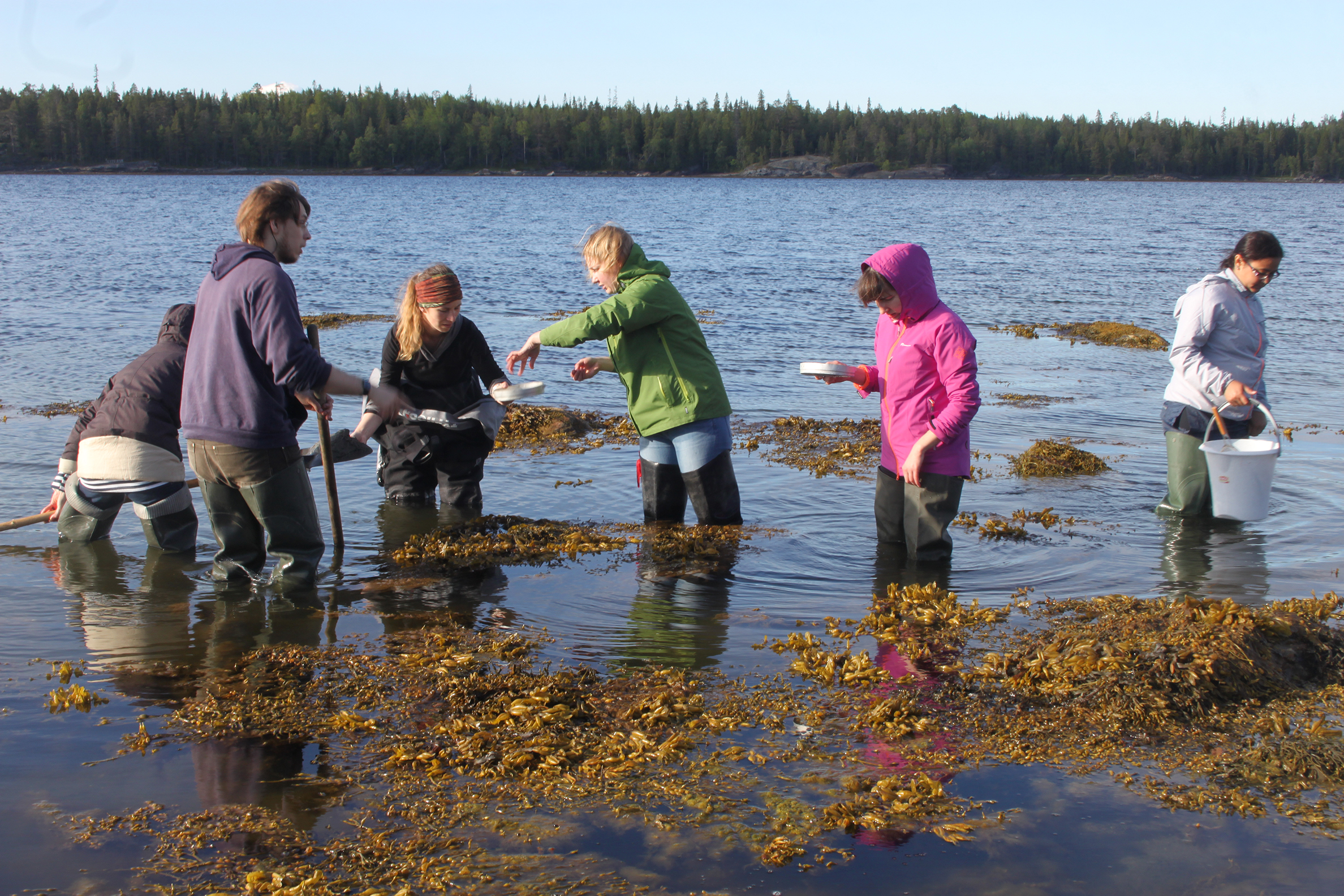
In June 2016, students and post-docs from China, Colombia, Mexico, Germany, USA, India and Russia attended the Second International Summer Course on the embryology of marine invertebrates at the White Sea Biological Station attached to Moscow State University (WSBS MSU).
8 May 2017
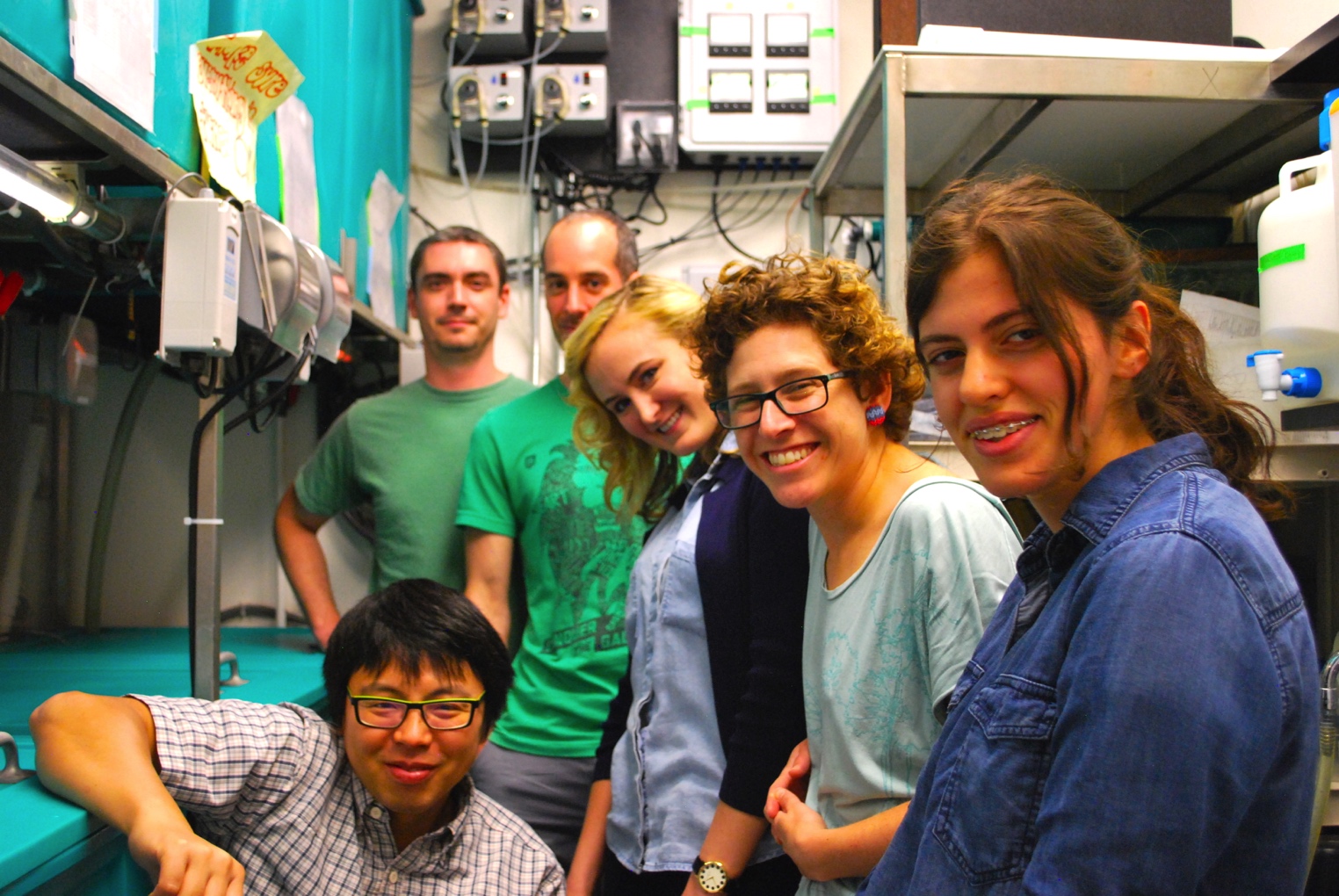
The neural crest is a vertebrate-specific embryonic cell population that originates near the developing neural tube and migrates to form critical adult structures, including the skull and peripheral nervous system. To shed light on the molecular mechanisms of vertebrate evolution, Dorit Hockman from the Weatherall Institute of Molecular Medicine at the University of Oxford studies the development and evolution of the neural crest by investigating its development in the most basal vertebrate model organism, the lamprey.
28 March 2017
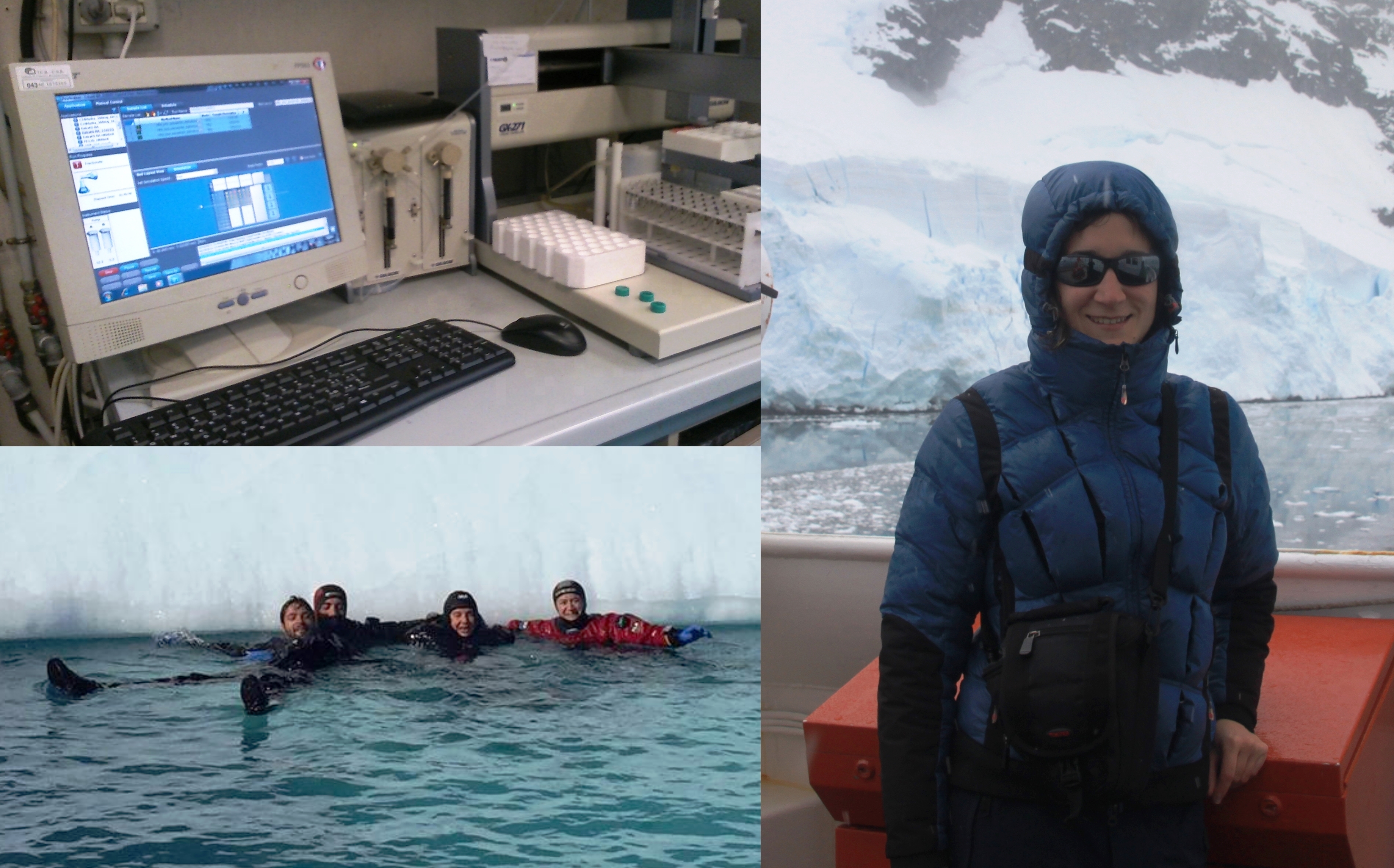
In February 2016, multidisciplinary postdoc Blanca Figuerola was part of a research campaign in Antarctica, on board the oceanographic vessel BIO Hespérides. The objectives of the campaign were to identify natural products (secondary metabolites) involved in ecological relationships and to assess potential pharmacological effects. Blanca’s field of interest is the chemical ecology of Antarctic bryozoans, which use repellent compounds to defend against predators.


You must be logged in to post a comment.