8 May 2017
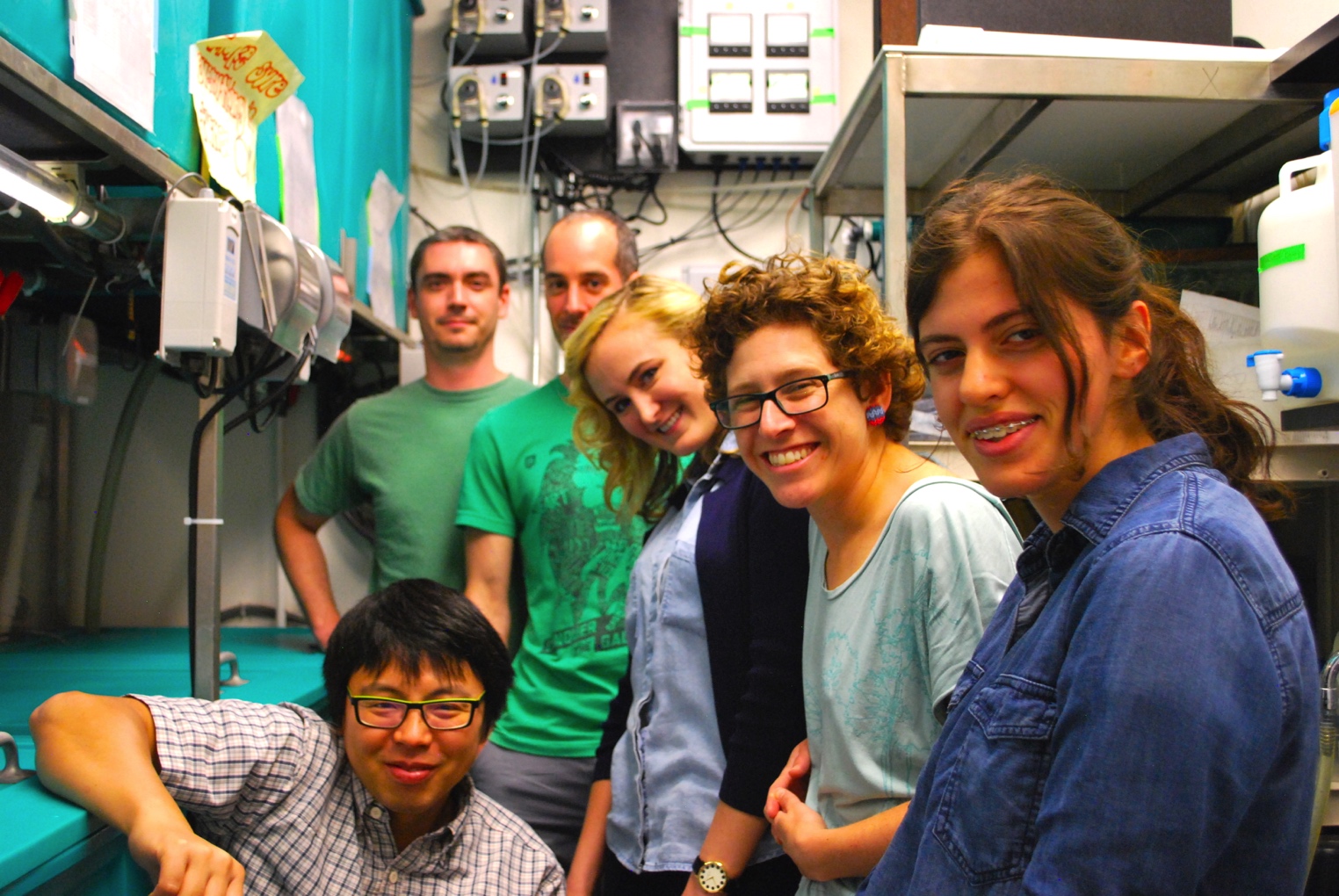
The neural crest is a vertebrate-specific embryonic cell population that originates near the developing neural tube and migrates to form critical adult structures, including the skull and peripheral nervous system. To shed light on the molecular mechanisms of vertebrate evolution, Dorit Hockman from the Weatherall Institute of Molecular Medicine at the University of Oxford studies the development and evolution of the neural crest by investigating its development in the most basal vertebrate model organism, the lamprey.
28 March 2017
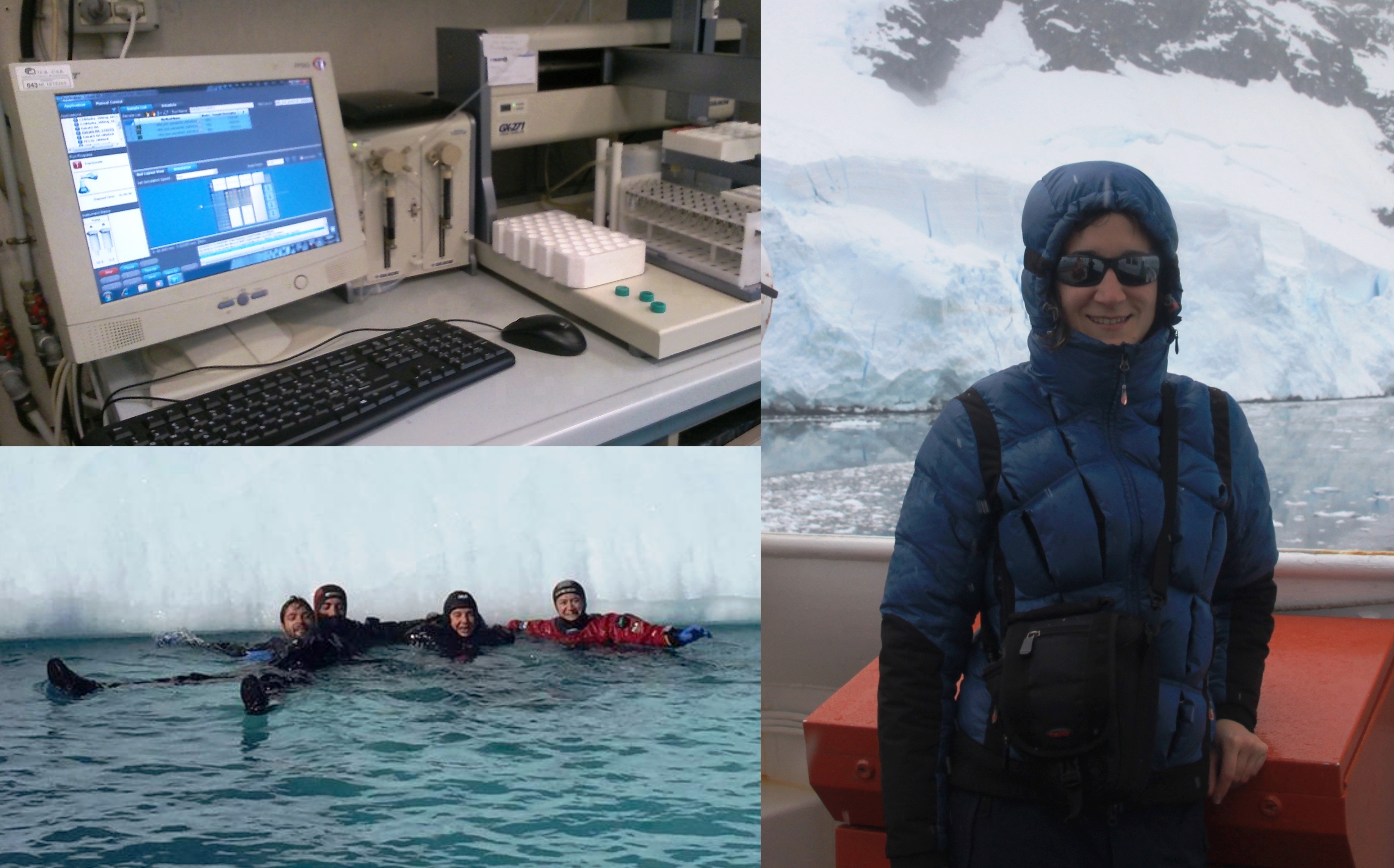
In February 2016, multidisciplinary postdoc Blanca Figuerola was part of a research campaign in Antarctica, on board the oceanographic vessel BIO Hespérides. The objectives of the campaign were to identify natural products (secondary metabolites) involved in ecological relationships and to assess potential pharmacological effects. Blanca’s field of interest is the chemical ecology of Antarctic bryozoans, which use repellent compounds to defend against predators.
 22 March 2017
The impact of diet and lifestyle on gut microbiota in mitochondrial and metabolic disease is an important area of research for David Houghton from the Institute of Neuroscience at Newcastle University. A Travelling Fellowship from Disease Models & Mechanisms allowed David to travel to the Institute of Cardiometabolism and Nutrition (ICAN) in Paris.
16 March 2017
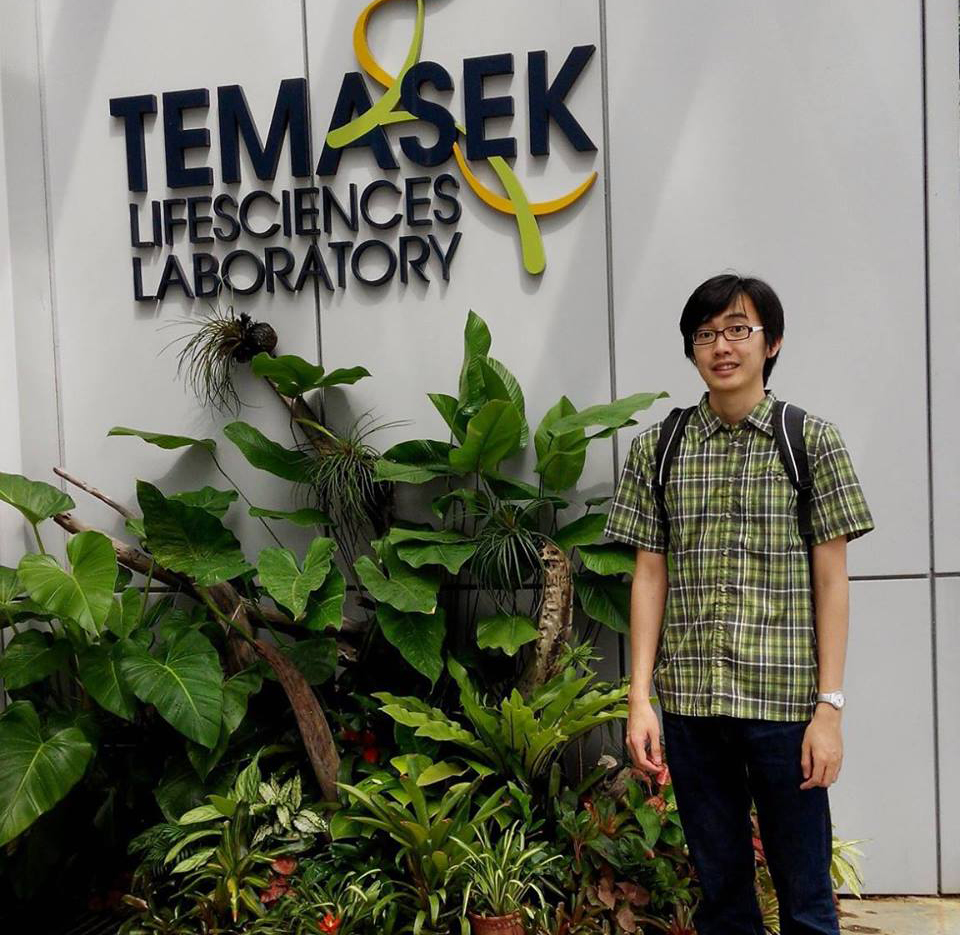
EFA-6 is a cell-intrinsic inhibitor of axon regrowth in Caenorhabditis elegans, possibly through limiting the growth of microtubules. Previous work has shown that on axon injury, EFA-6 relocalises from the plasma membrane to near the microtubule minus ends. Ngang Heok Tang from the Division of Biological Sciences, University of California San Diego, USA, wanted to test different kinases that might phosphorylate EFA-6 to control its localisation pattern in one-cell embryos, and relocalisation activity in axons.
13 March 2017
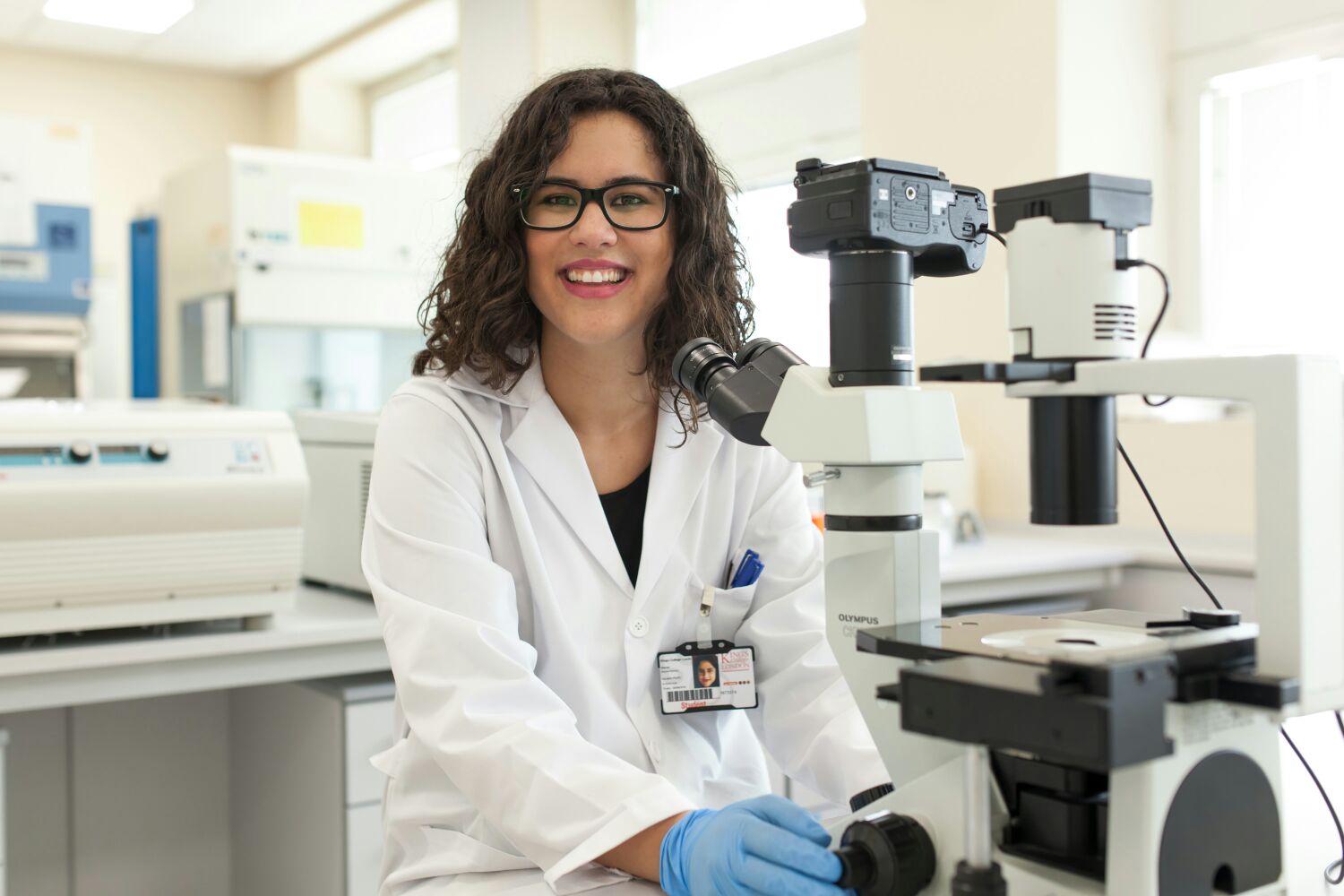
Marian Blanca Ramírez from the Institute of Parasitology and Biomedicine López-Neyra at the CSIC in Spain has been studying the effects of LRRK2, a protein associated with Parkinson’s disease, on cell motility and its association with stable microtubules. Her PhD research had led her to hypothesise that increased association between LRRK2 and microtubules might alter cell motility. To help her test this hypothesis, she applied for a Travelling Fellowship from the Journal of Cell Science to spend time in Prof Maddy Parson’s lab at King’s College, London, learning how to perform 2D and 3D cell migration assays.


 22 March 2017


You must be logged in to post a comment.