We host community sites, helping people connect and share resources, news and opportunities. We have a keen interest in supporting early-career researchers.
We are committed to ensuring our environmental impact is kept to a minimum and we are working hard to make sustainability a consideration in everything we do. We have also launched two major initiatives to promote sustainability and biodiversity.
The biological research community has access to our specialist journals through library subscriptions worldwide. Our new Read & Publish Open Access agreements offer researchers enhanced opportunities to read and publish articles.
On Monday 23 March 2020, the Prime Minister of the UK addressed the nation in what is thought to be the most-watched moment in British television history. The speech outlined new restrictions to help slow the spread of COVID-19 as we were all told: “You must stay home”.
As relevant today as it was 11 years ago, Martin Schwartz’s essay on the importance of stupidity in scientific research has reached over 1 million people to date.
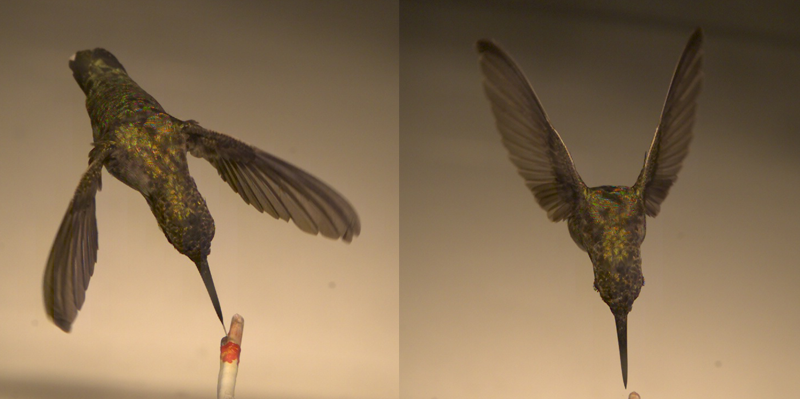
In 2014, Dr Sridhar Ravi, University of New South Wales, received a Travelling Fellowship from Journal of Experimental Biology. Using the grant, he visited labs run by Professor Andrew Biewener and Professor Stacey Combes in the Department of Organismic and Evolutionary Biology at Harvard University.
As intelligent problem-solvers and devious escape artists with the ability to change colour, skin texture and shape, octopuses have captured the minds of researchers for good reason. Hydrostats make up the octopus’ most well-known feature, its eight arms.
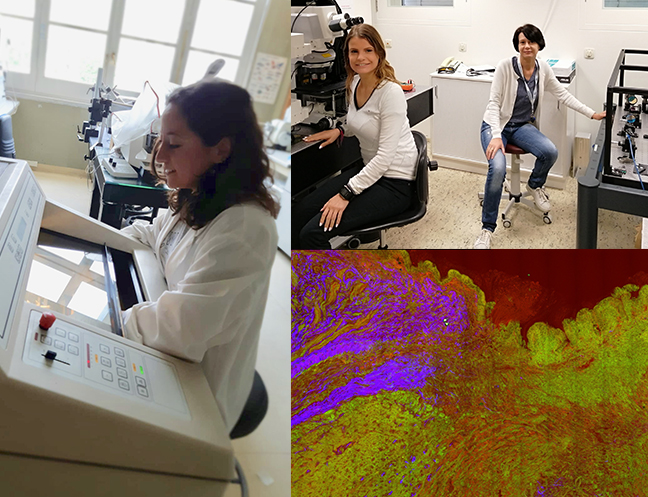
The three-dimensional mechanical forces generated during the activation of T lymphocytes have been quantified at unprecedented spatiotemporal resolution. To do so, Postdoctoral Researcher Huw Colin-York from the Fritzsche Group, which studies Biophysical Immunology at the University of Oxford, travelled to the laboratory of Prof Dong Li at the Chinese Academy of Sciences, Institute of Biophysics, Beijing, courtesy of a Travelling Fellowship from the Journal of Cell Science.
There’s no doubt that Open Access is shaping the future of academic publishing. A number of changes are on the horizon, with publishers, authors and institutions all responding to new guidelines.
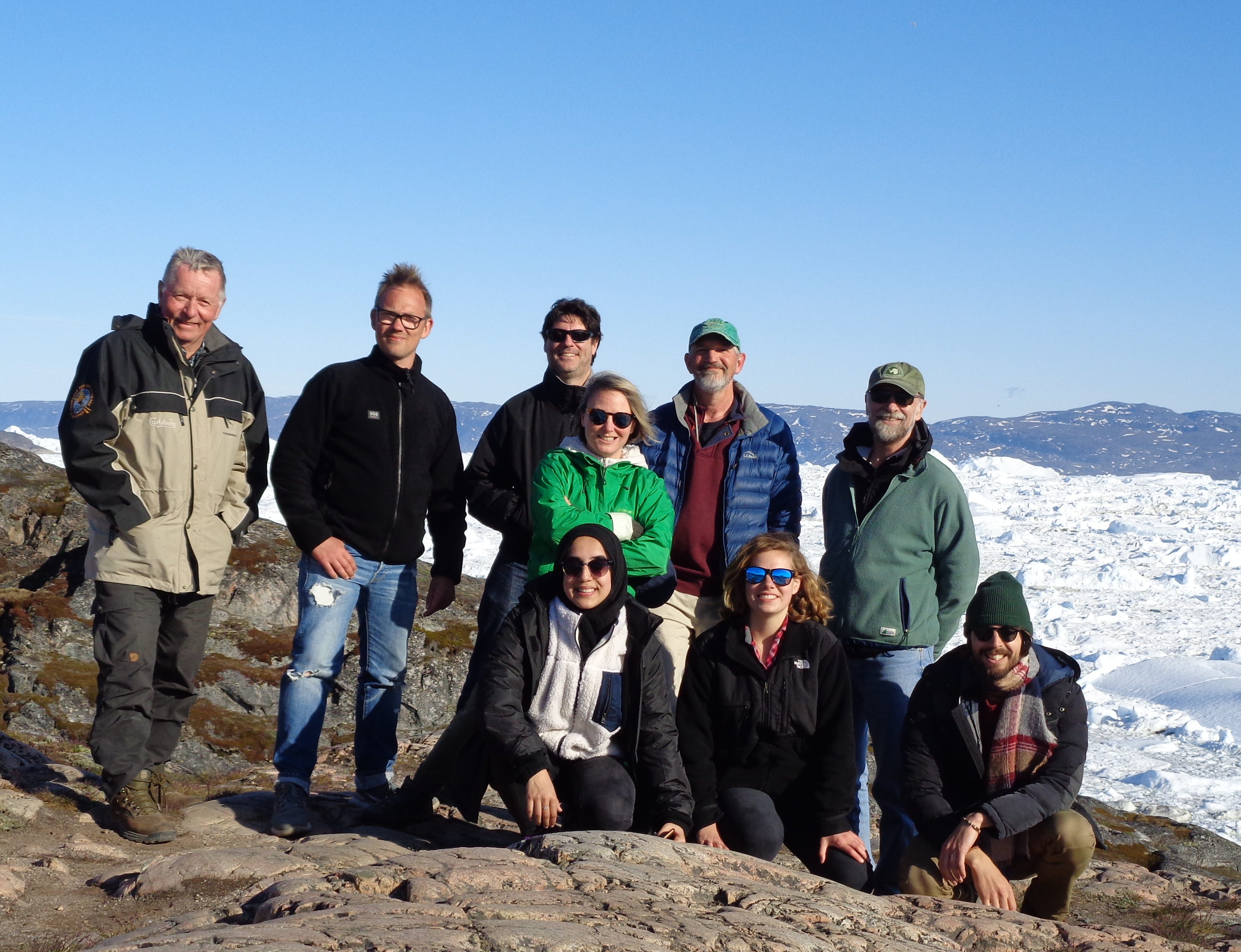
The Greenland Shark, Somniosus microcephalus, has remarkable longevity and is the longest-living vertebrate known to science. The decline of shorter-lived species involves the loss of DNA integrity via the loss of DNA repair mechanisms. The longevity of the Greenland Shark suggests resilience to this age-related functional decline.
Glioblastoma multiforme (GBM), a grade IV brain tumor, is the most common malignant primary brain cancer in adults. Patients with GBM have a poor prognosis following standard therapy, with a 5-year survival rate of only 3-5%. Although novel therapies against GBM have been tested, the standard care has remained unaltered for over 15 years.



You must be logged in to post a comment.