

5 July 2017
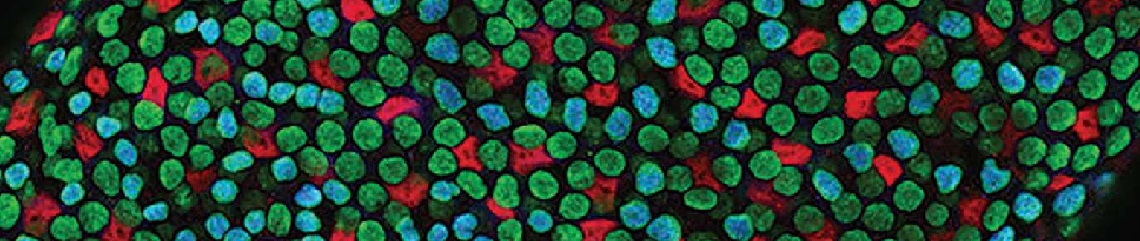
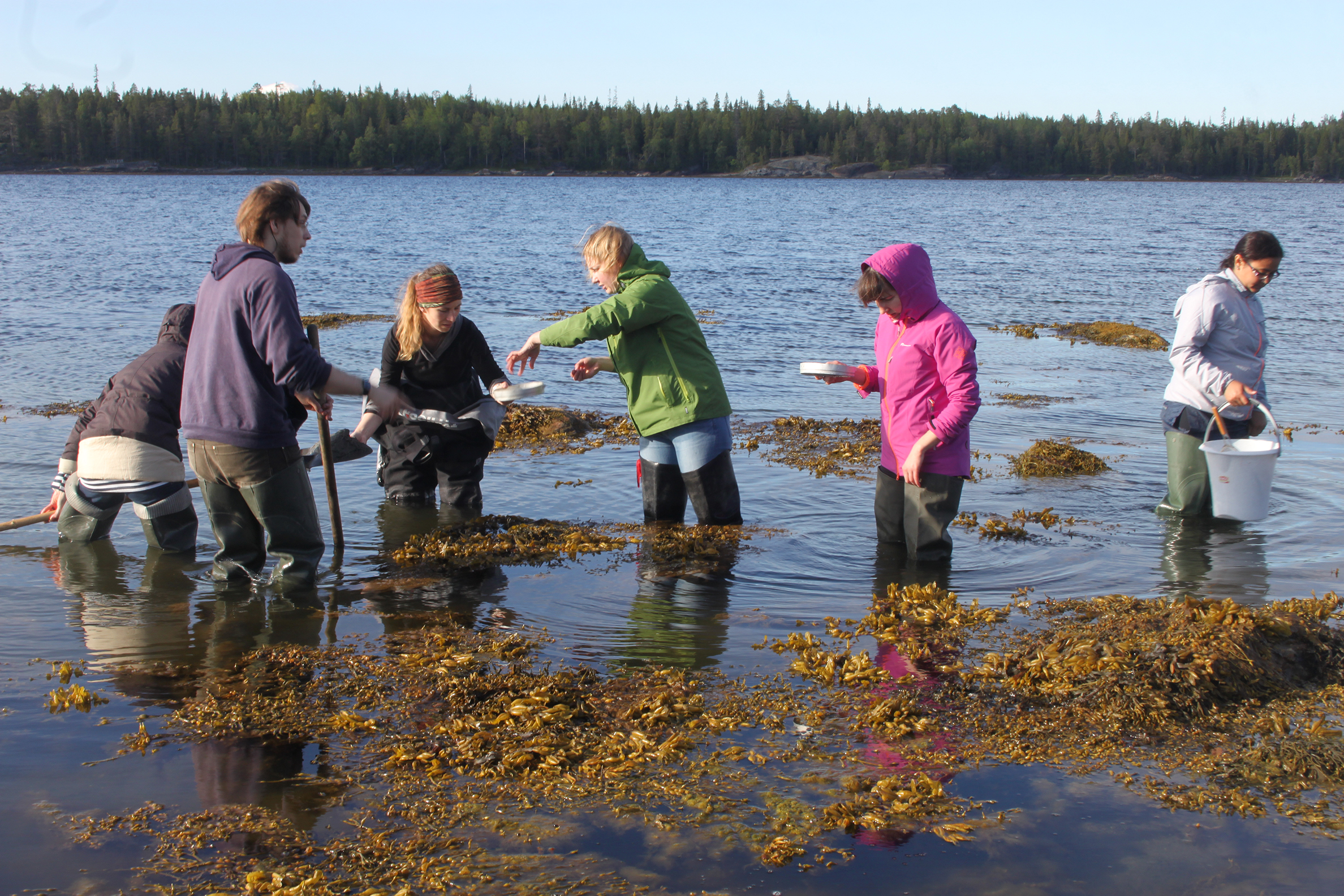
In June 2016, students and post-docs from China, Colombia, Mexico, Germany, USA, India and Russia attended the Second International Summer Course on the embryology of marine invertebrates at the White Sea Biological Station attached to Moscow State University (WSBS MSU). …
8 May 2017
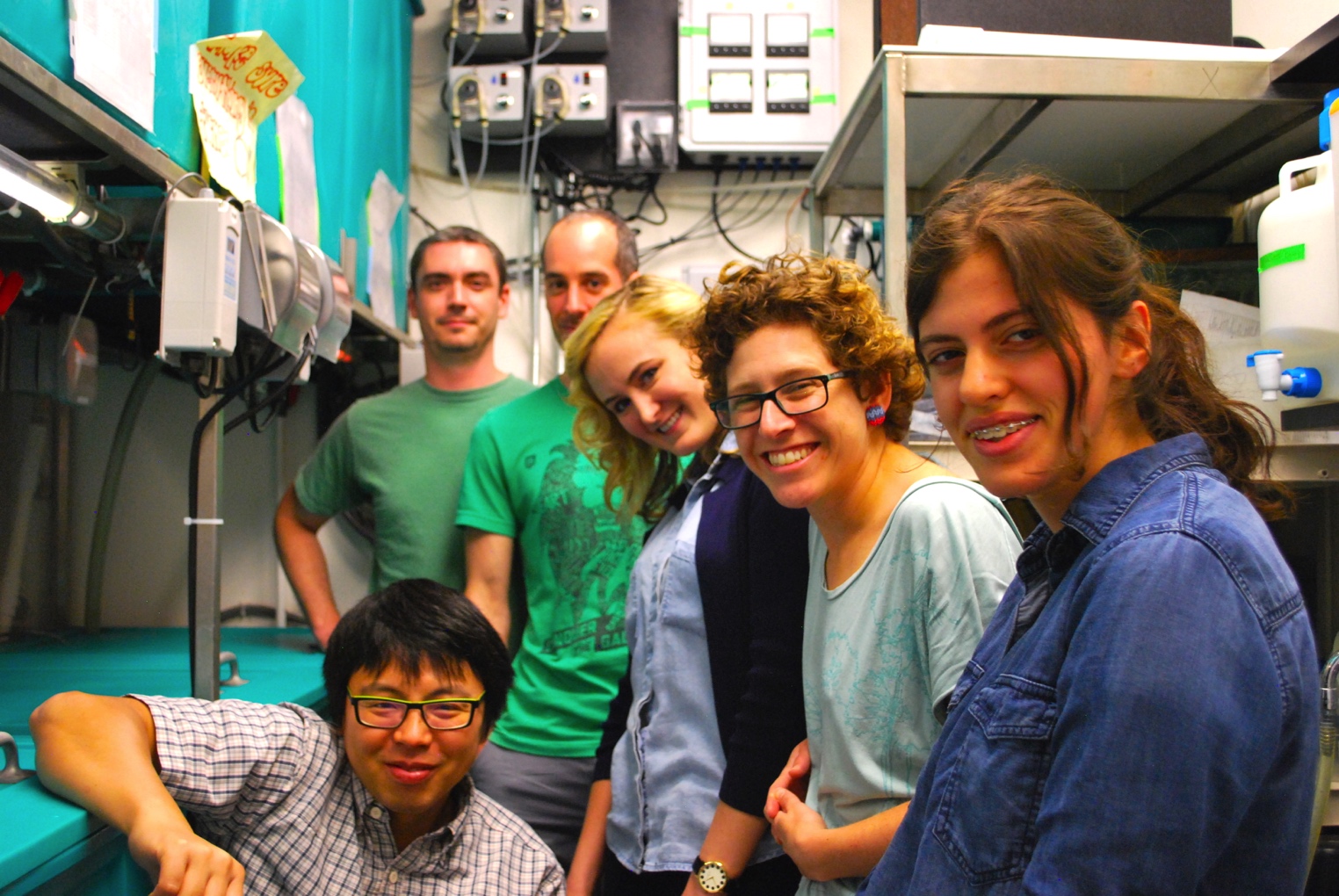
The neural crest is a vertebrate-specific embryonic cell population that originates near the developing neural tube and migrates to form critical adult structures, including the skull and peripheral nervous system. To shed light on the molecular mechanisms of vertebrate evolution, Dorit Hockman from the Weatherall Institute of Molecular Medicine at the University of Oxford studies the development and evolution of the neural crest by investigating its development in the most basal vertebrate model organism, the lamprey. …
28 March 2017
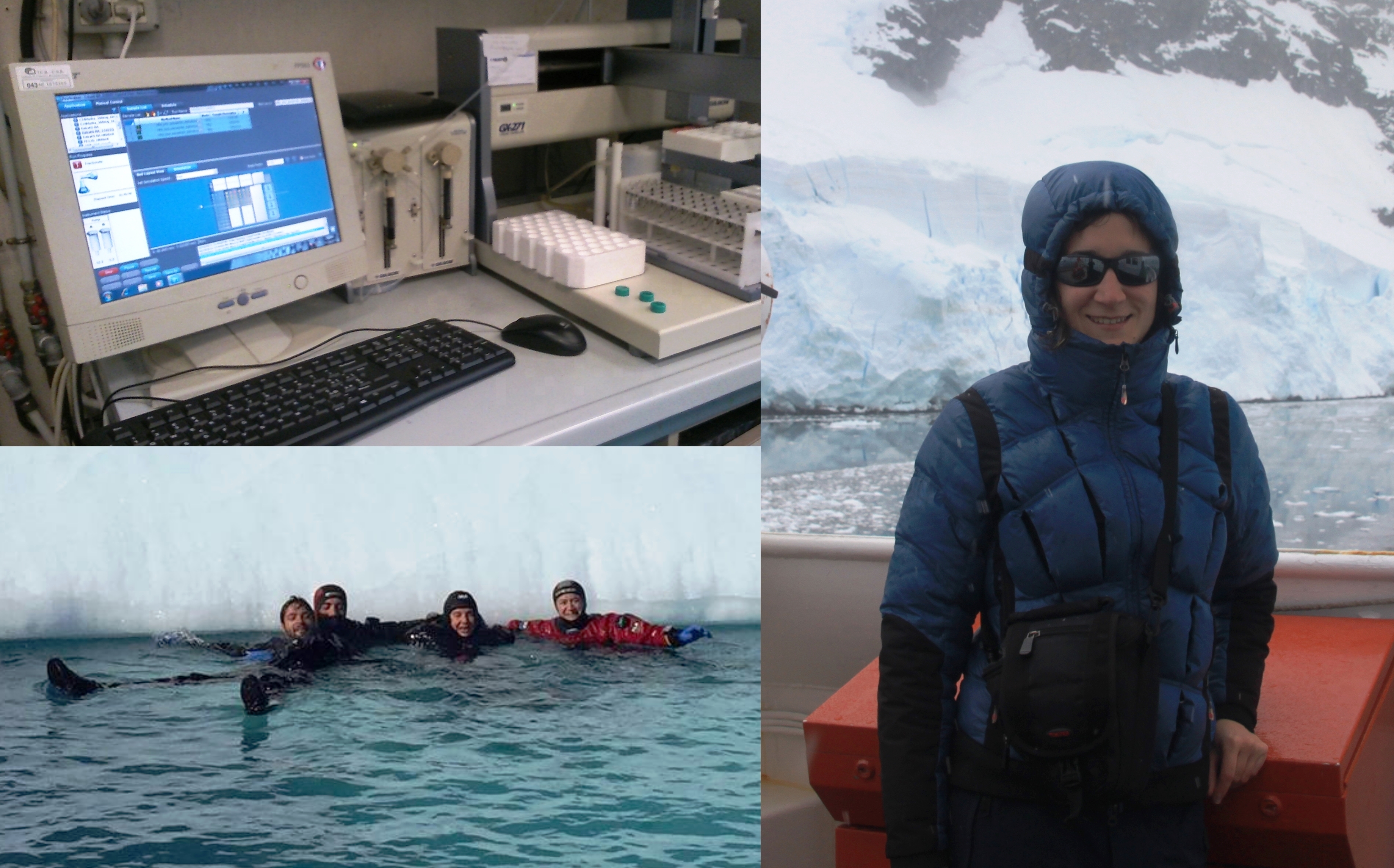
In February 2016, multidisciplinary postdoc Blanca Figuerola was part of a research campaign in Antarctica, on board the oceanographic vessel BIO Hespérides. The objectives of the campaign were to identify natural products (secondary metabolites) involved in ecological relationships and to assess potential pharmacological effects. Blanca’s field of interest is the chemical ecology of Antarctic bryozoans, which use repellent compounds to defend against predators. …
 22 March 2017
The impact of diet and lifestyle on gut microbiota in mitochondrial and metabolic disease is an important area of research for David Houghton from the Institute of Neuroscience at Newcastle University. A Travelling Fellowship from Disease Models & Mechanisms allowed David to travel to the Institute of Cardiometabolism and Nutrition (ICAN) in Paris. …
16 March 2017
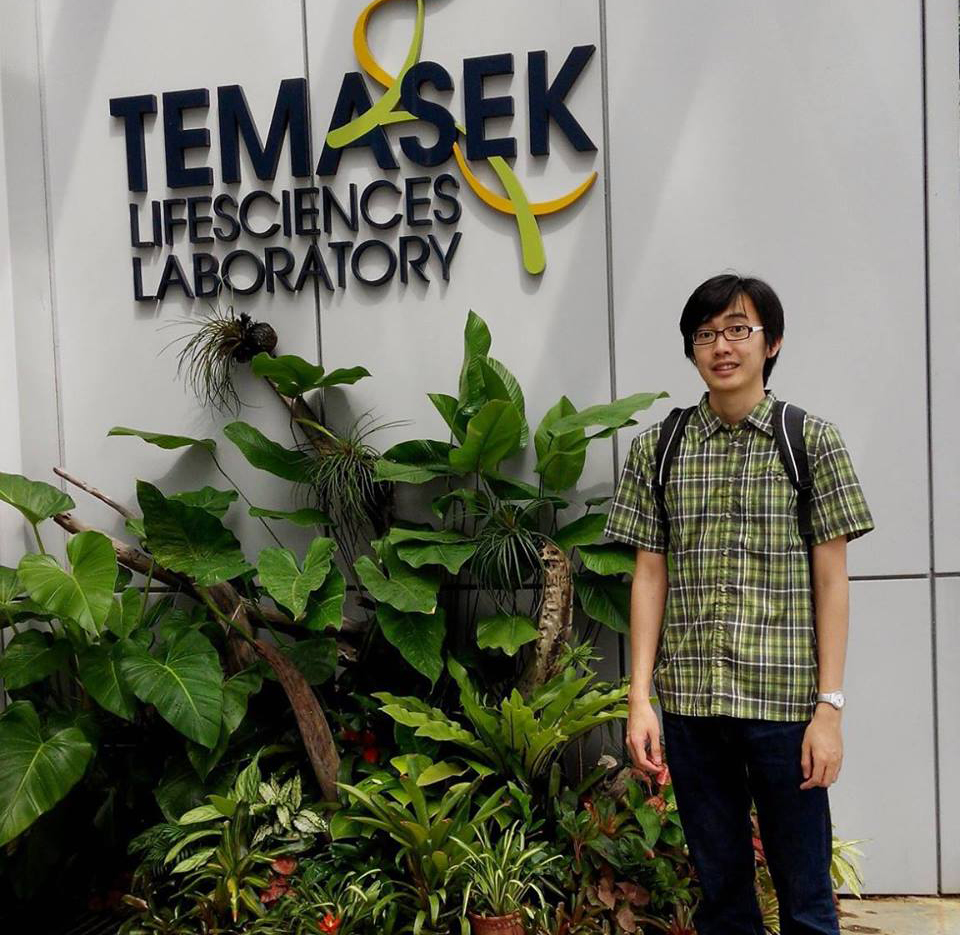
EFA-6 is a cell-intrinsic inhibitor of axon regrowth in Caenorhabditis elegans, possibly through limiting the growth of microtubules. Previous work has shown that on axon injury, EFA-6 relocalises from the plasma membrane to near the microtubule minus ends. Ngang Heok Tang from the Division of Biological Sciences, University of California San Diego, USA, wanted to test different kinases that might phosphorylate EFA-6 to control its localisation pattern in one-cell embryos, and relocalisation activity in axons. …
5 July 2017
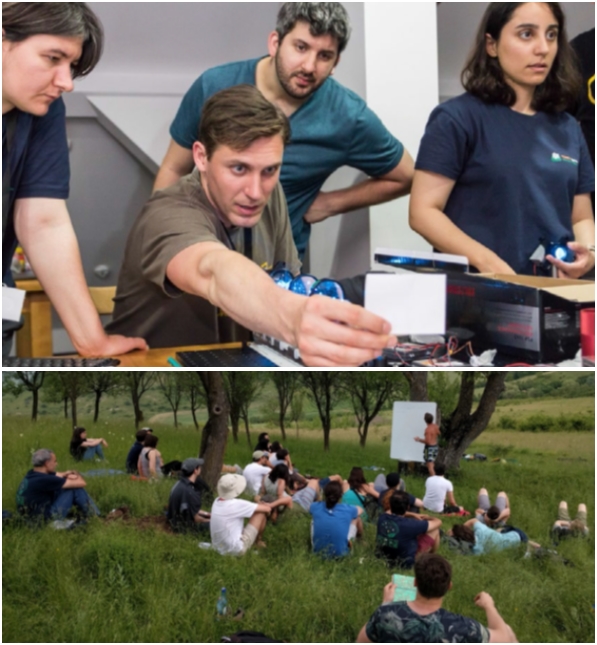
The Transylvanian Experimental Neuroscience Summer School (TENSS) grew from an idea shared between Florin Albeanu and Raul Mureşan during a conference in Romania in 2010. Two years later, the first TENSS took place on the shores of Pike Lake in the picturesque province of Transylvania, Romania. …
12 April 2017
To investigate a potential relationship between herpes simplex virus infection and Alzheimer’s disease-related neuropathology, Eloise Mikkonen from the University of Tampere, Finland, was part of a collaborative project with researchers from Umeå University, Sweden. …
28 March 2017
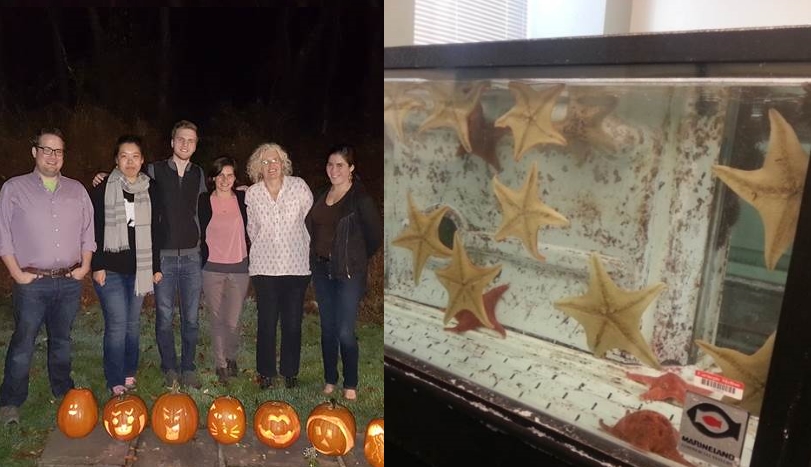
Claudia Cuomo from the Stazione Zoologica Anton Dohrn in Naples, Italy used a Travelling Fellowship from Development to visit Dr Veronica Hinman’s lab at the Carnegie Mellon University of Pittsburgh to learn about the breeding, handling and manipulation of the sea star Patiria miniata at an artificial sea water facility close to the lab. Ensuring she is able to regularly harvest fresh, good quality gametes is crucial to Claudia’s research into the homeodomain transcription factor protein, Xlox, in echinoderms. …
 22 March 2017
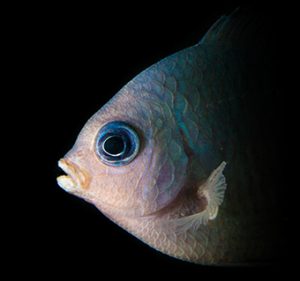
Ocean acidification caused by increased levels of dissolved CO2 can have significant effects on marine ecosystems. Behavioural and chemosensory abnormalities associated with exposure to elevated CO2 are reported to be among the greatest threats to fishes, particularly coral reef fishes. Most previous studies have investigated the effects of short-term exposure to elevated CO2 exposure, but to improve the ability of marine biologists to confidently predict the future effects of CO2 on marine ecosystems, …
16 March 2017
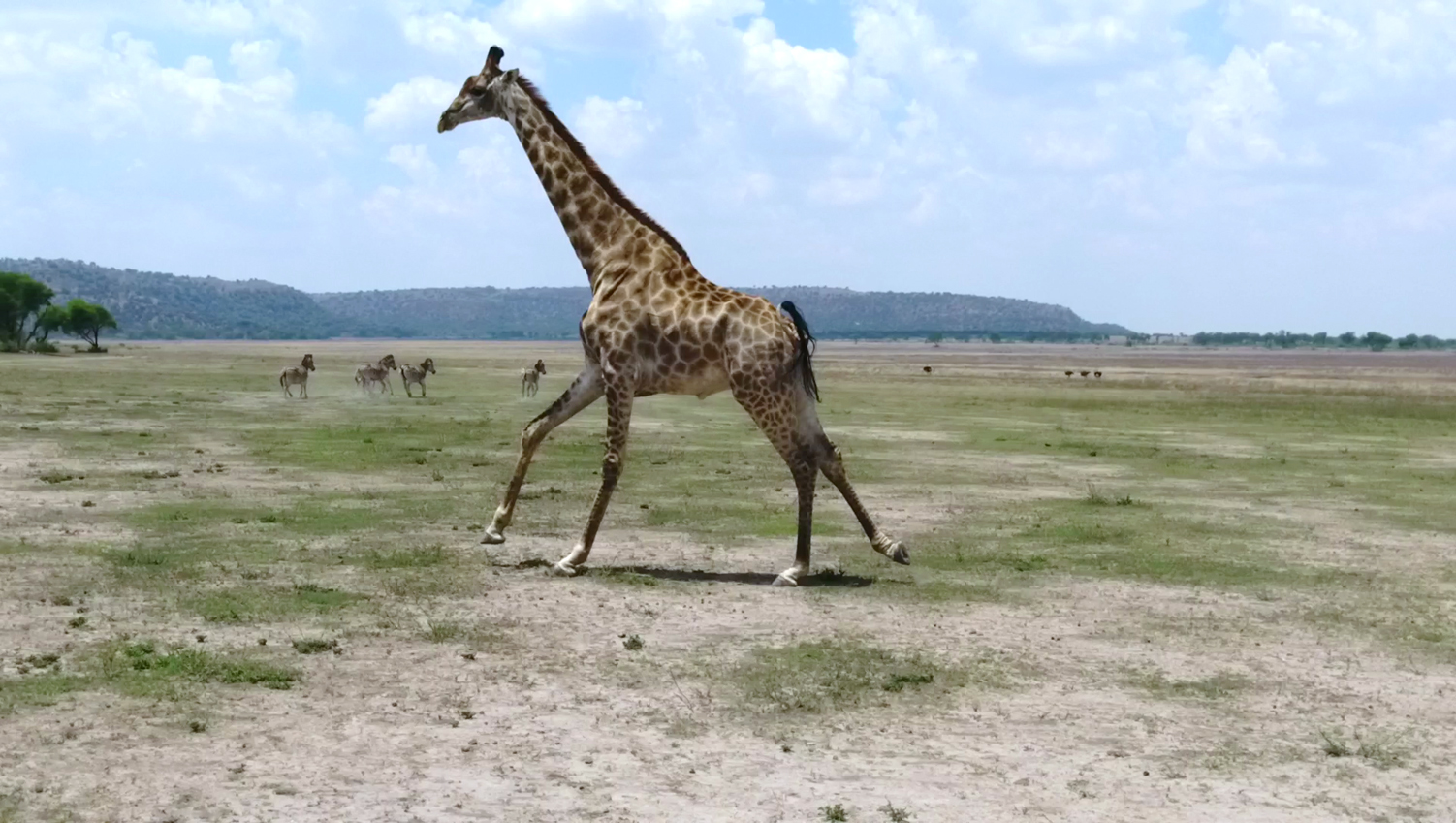
Years of anticipation and months of preparation – permit applications, equipment testing, liaising with multiple institutions – all boiled down to the single moment when Christopher Basu from the Structure and Motion Laboratory at the Royal Veterinary College, UK, got his first video footage of running giraffes. As part of his PhD, Chris studied the evolution and biomechanics of giraffe locomotion, collecting data on the motion and forces of walking giraffes in a UK zoological park. …
Visit our journal websites
You must be logged in to post a comment.