When fieldwork meets a global pandemic
1 July 2020
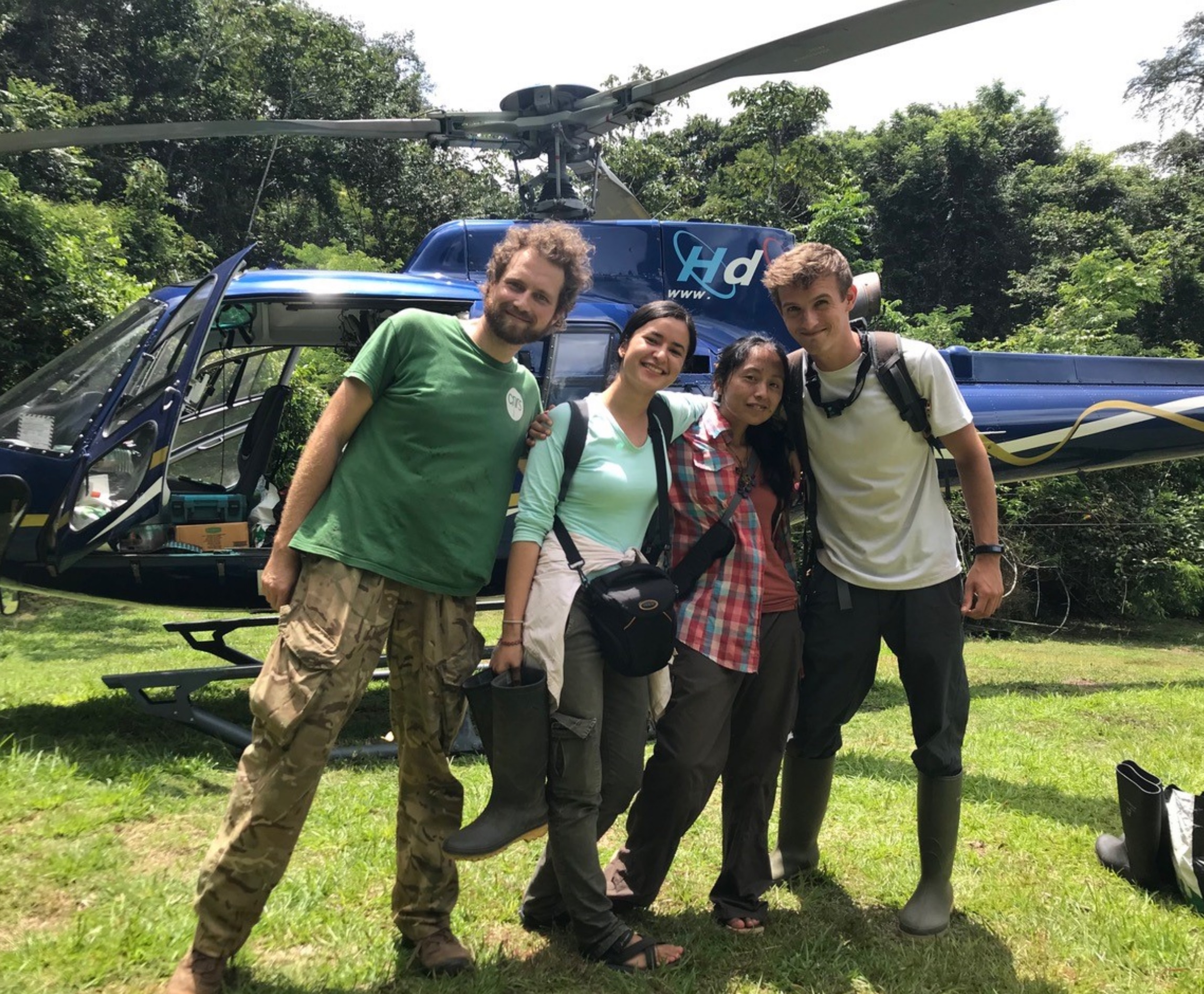
“Eventually food transport was going to be stopped, so the field team were airlifted back to Cayenne.”
That was how lockdown started for members of Lauren O’Connell’s lab.


1 July 2020
“Eventually food transport was going to be stopped, so the field team were airlifted back to Cayenne.”
That was how lockdown started for members of Lauren O’Connell’s lab.
28 April 2020
Publishing your paper is just the start of communicating your research to the world. Some researchers feel uneasy about self-promotion, but chances are your existing network is interested in what you’re doing – you just need to tell them!
9 April 2020
On Monday 23 March 2020, the Prime Minister of the UK addressed the nation in what is thought to be the most-watched moment in British television history. The speech outlined new restrictions to help slow the spread of COVID-19 as we were all told: “You must stay home”.
26 March 2020
As relevant today as it was 11 years ago, Martin Schwartz’s essay on the importance of stupidity in scientific research has reached over 1 million people to date.
12 February 2020
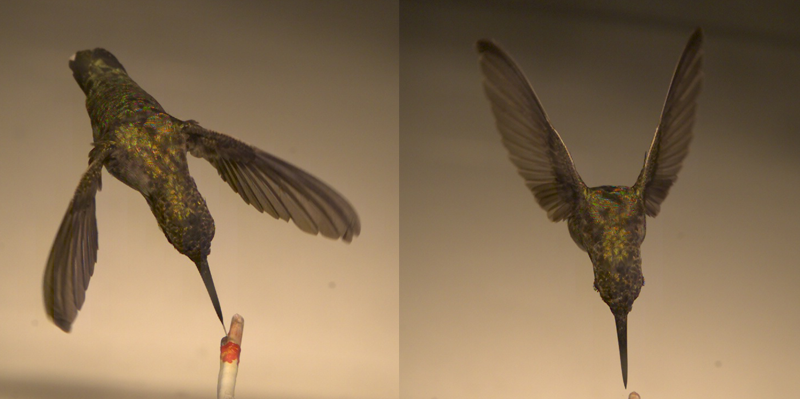
In 2014, Dr Sridhar Ravi, University of New South Wales, received a Travelling Fellowship from Journal of Experimental Biology. Using the grant, he visited labs run by Professor Andrew Biewener and Professor Stacey Combes in the Department of Organismic and Evolutionary Biology at Harvard University.
18 May 2020
When writing a research manuscript, a fundamental step is to figure out the question. Many journals won’t accept a purely descriptive manuscript, which is why it’s so important to address a non-trivial scientific question or hypothesis.
21 April 2020
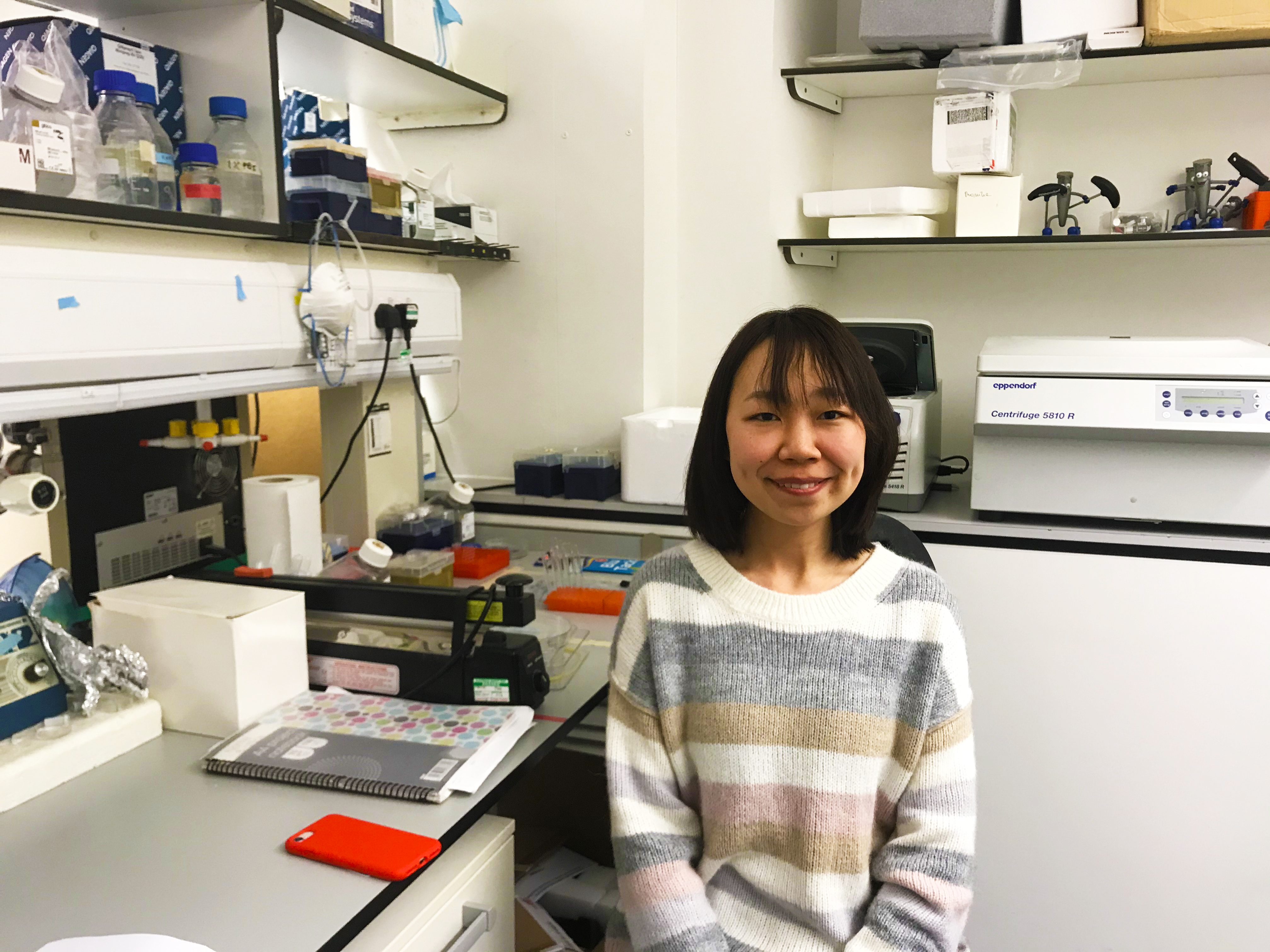
In February our preprint highlights service preLights celebrated its second birthday. To mark the occasion, we met with Cambridge-based preLighter Meng Zhu.
30 March 2020
The Company of Biologists Workshop ‘Data Science in Cell Imaging’ took place at Wiston House, West Sussex (UK) between 2 – 5 February 2020.
13 February 2020
For the most up to date information, please visit our library hub.
There’s no doubt that Open Access is shaping the future of academic publishing. A number of changes are on the horizon, with publishers, authors and institutions all responding to new guidelines.
12 November 2019
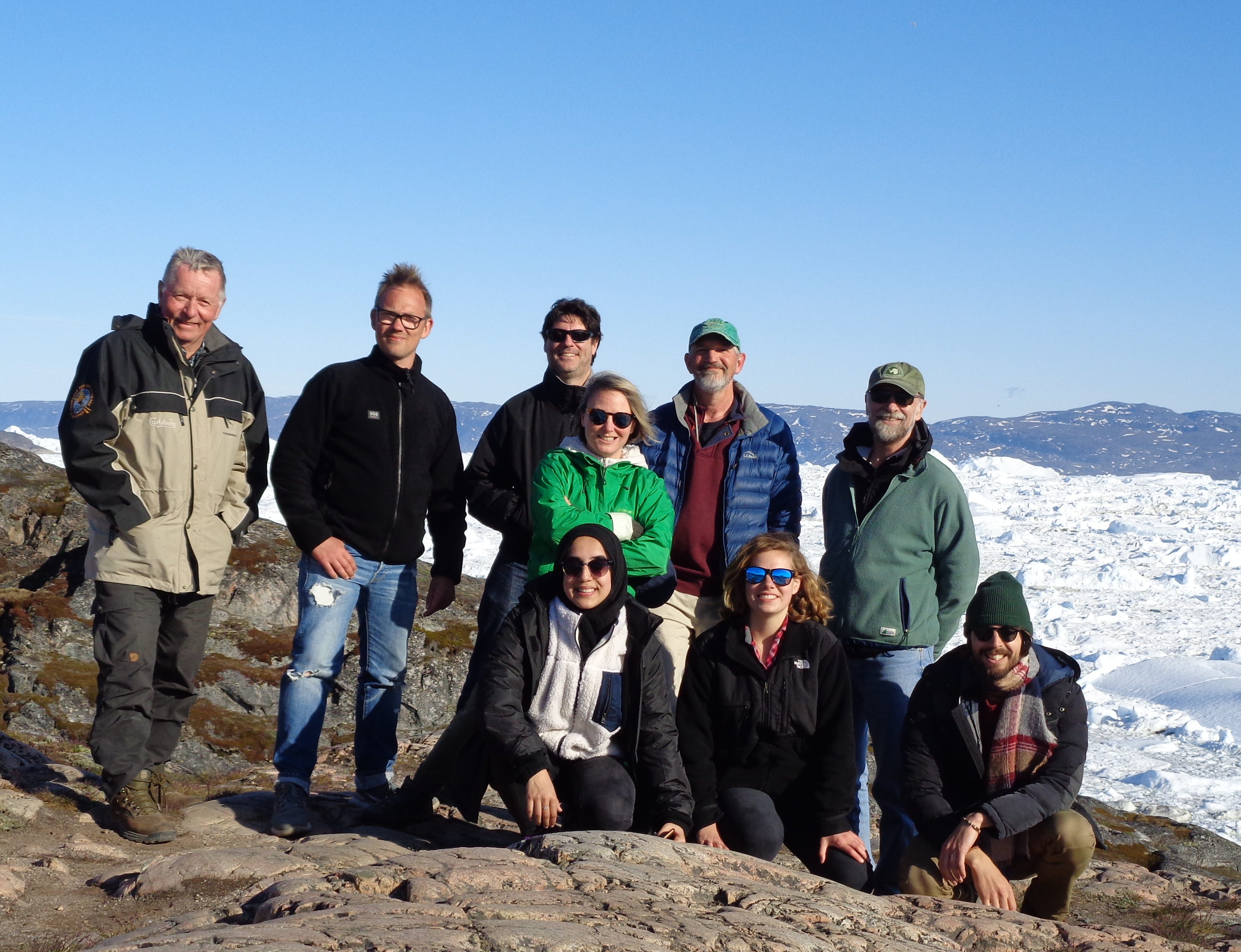
The Greenland Shark, Somniosus microcephalus, has remarkable longevity and is the longest-living vertebrate known to science. The decline of shorter-lived species involves the loss of DNA integrity via the loss of DNA repair mechanisms. The longevity of the Greenland Shark suggests resilience to this age-related functional decline.
You must be logged in to post a comment.