

Metabolism in Development and Disease
Date: 15th – 18th May 2016
Location: Wiston House, Steyning, West Sussex, UK
Organisers: Suzanne Eaton, Wilhelm Palm and Craig Thompson
In 1925, Otto Warburg noted that many types of cancer cells derive energy from glycolysis rather than oxidative phosphorylation even in the presence of oxygen. This observation has received renewed attention from cancer biologists, and it has emerged that specialized metabolic wiring (including “Warbug” metabolism) is key to supporting the production of biomass necessary for growth. How metabolic adaptations might regulate growth during development and regeneration has been less well explored, but these ideas are beginning to interest developmental and stem cell biologists. Genetic model organisms will provide powerful systems with which to understand how metabolism is regulated in development and how it changes as cells differentiate and tissues approach their final size and stop growing. Understanding how growth-promoting metabolism is normally coordinated with development will be critical to deciphering how these mechanisms are deregulated in cancer.
To help achieve this synthesis, this workshop brought together researchers interested in cancer metabolism with developmental biologists interested in growth regulation.
Workshop sessions focused on:
1) cell metabolism and growth
2) metabolic cooperation and competition between cells
3) metabolic sensing
4) cell metabolism in normal development
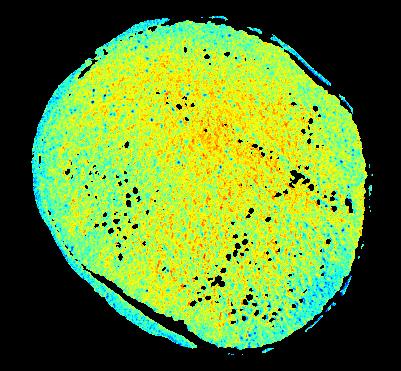
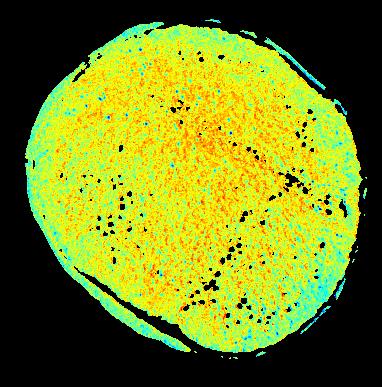
ATP FRET signals at different times after blocking oxidative phosphorylation in a growing wing disc of Dropsophila. Image courtesy of Venkatesan Iyer.
Organisers & Speakers
Suzanne Eaton Max Planck Institute, Germany
Wilhelm Palm Memorial Sloan Kettering Cancer Center, USA
Craig Thompson Memorial Sloan Kettering Cancer Center, USA
Diane Barber UCSF, USA
Doreen Cantrell University of Dundee, UK
Paola Chiarugi University of Florence, Italy
Ralph DeBerardinis UTSouthwestern, USA
Eyal Gottlieb University of Glasgow, UK
Alex Gould The Francis Crick Institute, UK
Catarina Homem CEDOC, Portugal
William Harris University of Cambridge, UK
Laura Johnston Columbia University, USA
Christian Klaembt University of Muenster, Germany
Teymuras Kurzchalia Max Planck Institute, Germany
Pierre Magistretti Brain Mind Institute, EPFL, Switzerland
Olivier Pourquié Harvard Medical School, USA
Peter Ratcliffe University of Oxford, UK
Naomi Taylor The Institute of Molecular Genetics of Montpellier, France
Aurelio Teleman German Cancer Research Center (DKFZ), Germany
Benjamin Tu UTSouthwestern, USA
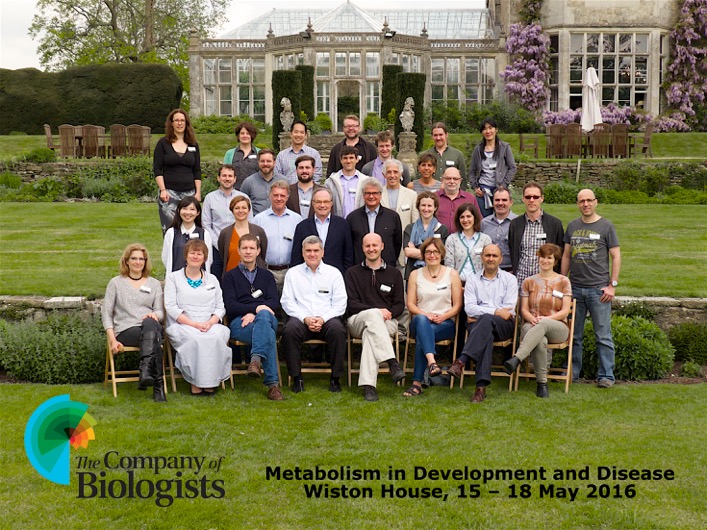
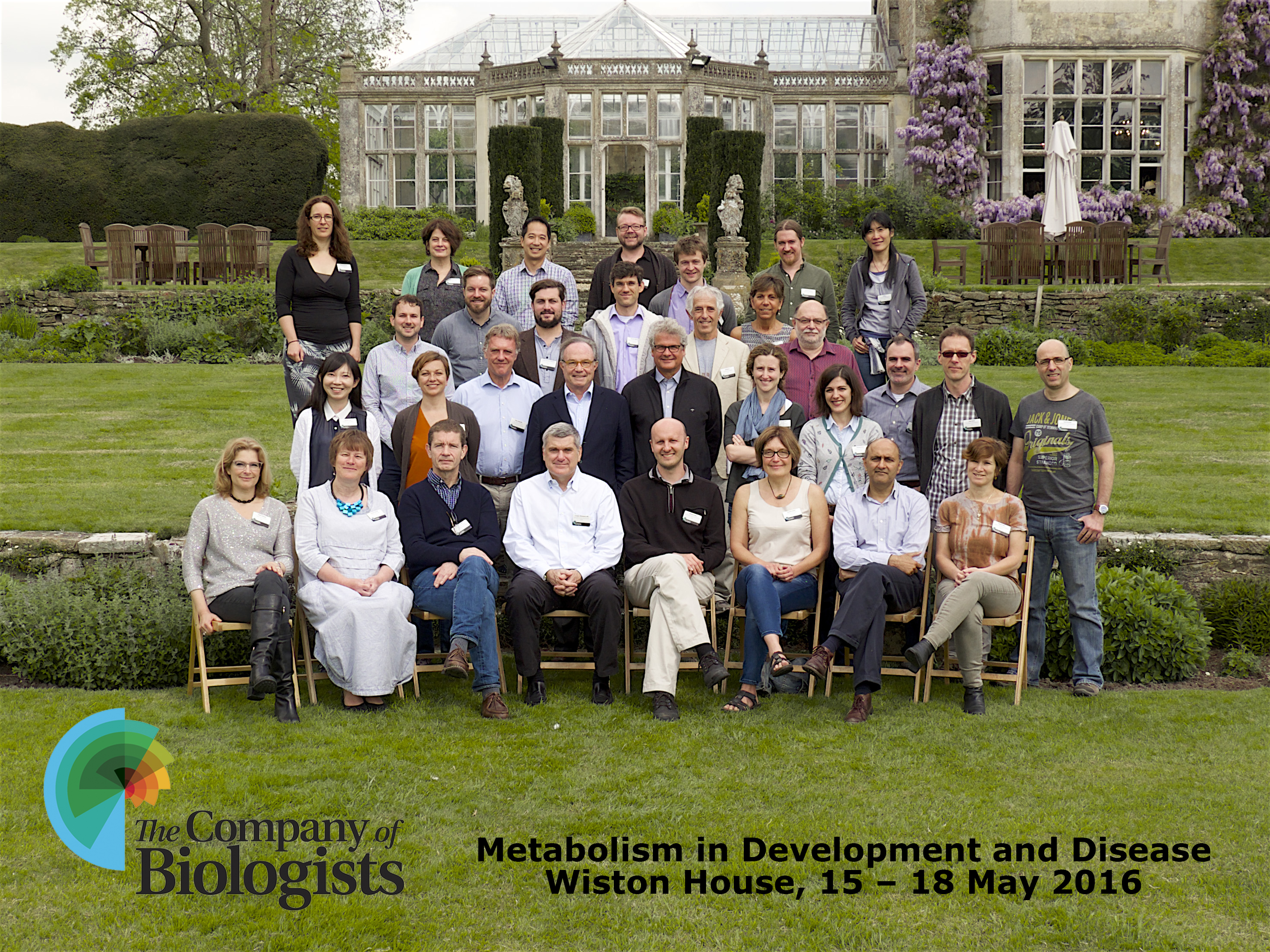
Workshop Photo
Slideshow
Metabolism in Development and Disease
15 – 18 May 2016
Wiston House, Steyning, West Sussex, UK
You must be logged in to post a comment.