

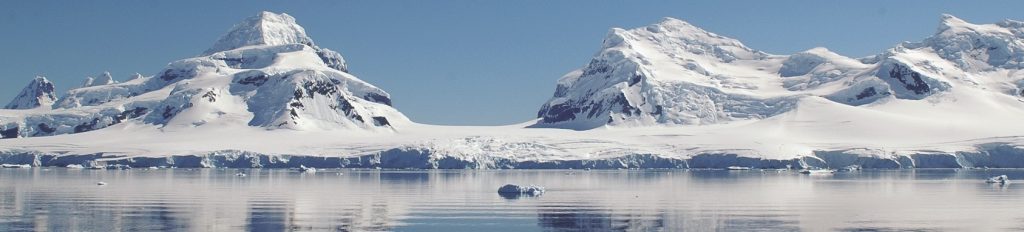
Photo credit: Craig Franklin
Physiological consequences of Arctic sea ice loss on large marine carnivores: unique responses by polar bears and narwhals
Anthony Pagano
University of California, Santa Cruz, USA
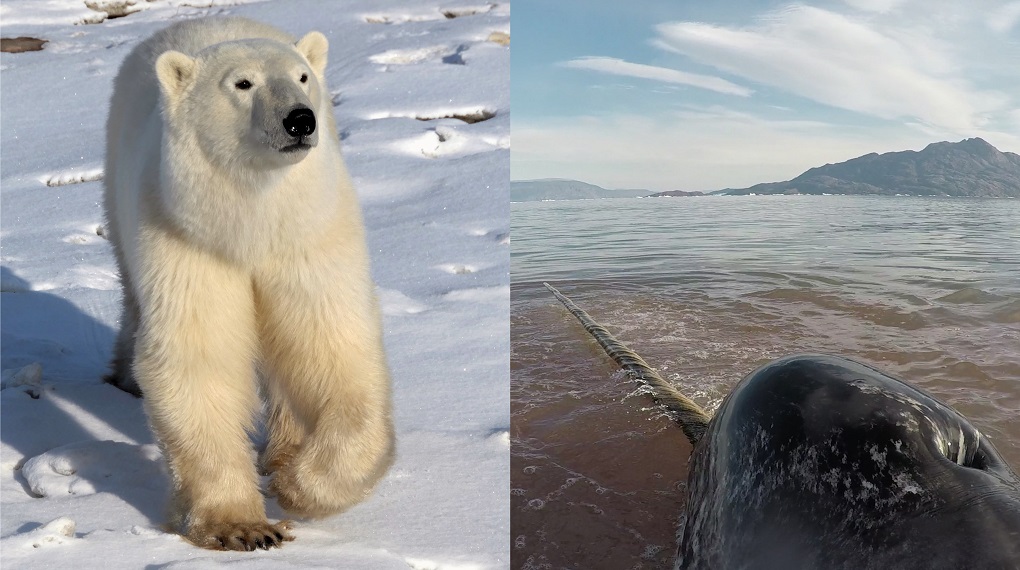
The Arctic is experiencing rapid environmental change, and Arctic marine mammals are particularly at risk due to their reliance on sea ice. Two Arctic marine mammal specialists, polar bears (Ursus maritimus) and narwhals (Monodon monoceros), appear to be physiologically limited in their ability to respond to changes in sea ice. This talk will evaluate the consequences of sea ice loss for polar bears that rely on the surface of the ice to catch prey in contrast with narwhals that rely on predictable ice conditions in winter for access to the surface to breathe.
You must be logged in to post a comment.